The Hidden Cost of an Accident: Understanding Diminished Value in California
You’ve just been in a car accident. Maybe it was a fender bender on the 405, or something more serious in Ventura County. You’re shaken up, your car is damaged, and you’re already imagining the headaches of repairs, rental cars, and talking to insurance companies. It’s a truly awful experience, and your first thought is usually, “Just get my car fixed.” You want it back to normal, looking like it did before.
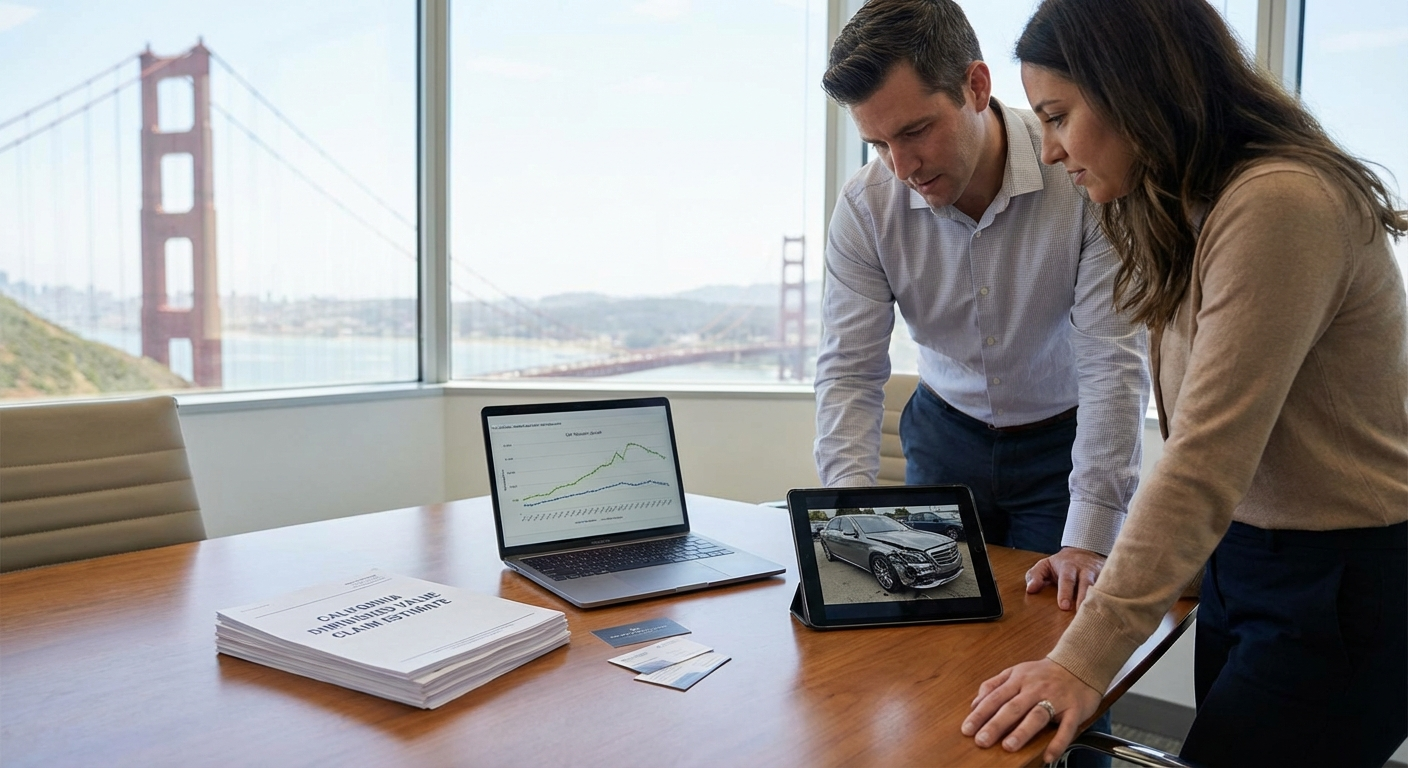
But here’s where it gets interesting. Even after expert repairs, even if your car looks showroom-new again, there’s a good chance it’s not worth what it was before the crash. That’s the frustrating reality of diminished value, and it’s a concept many California drivers don’t fully grasp until they’re staring it down. You see, once a vehicle has a reported accident history, its market value drops. It’s an unspoken truth in the used car market, and it can leave you feeling like you’ve lost money through no fault of your own.
What Exactly Is Diminished Value?
Think of it this way: you’re shopping for a used car. You find two identical models, same year, mileage, features, and condition. One has a clean vehicle history report. The other had a significant accident two years ago, fully repaired. Which one would you pay more for? The one without the accident, right? Of course. That difference in value is diminished value.
It’s a very real financial loss that impacts your car’s resale price. Even if the body shop did a fantastic job, using all original parts and painting it perfectly, the simple fact of that accident being on record makes the car less desirable to future buyers. They know it was damaged, and that makes them wary. They’ll pay less.
Types of Diminished Value
There are a few ways to think about this loss. The most common one people talk about is *inherent diminished value*. This is the loss in market value that occurs simply because a vehicle now has an accident history, even if repairs are flawless. It’s the stigma. Imagine a luxury car in Beverly Hills – a Porsche or a Tesla Model S. If it has a reported accident, even if perfectly fixed, its resale value takes a bigger hit than, say, an older Honda Civic in the Inland Empire. The expectation for perfection is higher.
Then there’s *repair-related diminished value*. This happens when the repairs weren’t done perfectly. Maybe the paint doesn’t match exactly, or there’s a slight alignment issue, or cheaper aftermarket parts were used instead of OEM. This type of diminished value is often easier to spot, but good repairs should prevent it. Most diminished value claims focus on the inherent loss, because even perfect repairs can’t erase the CarFax report.
Who Pays for Diminished Value in California?
This is probably the biggest question on most people’s minds, and it’s where things can get confusing. The short answer is: almost always the *at-fault driver’s* insurance company.
Here’s why that’s such a big deal. Many drivers assume their own collision coverage will handle everything. But your personal collision coverage generally pays for the actual repairs to your vehicle, or replaces it if it’s totaled. It doesn’t typically cover the loss of market value that happens *after* those repairs are complete. That’s a different kind of financial loss, one that usually needs to be claimed against the policy of the person who caused the accident.
So, if someone else hit you, you’ll be making a third-party claim against *their* liability coverage for your diminished value. If you were at fault, or if the accident was a single-car incident, you typically won’t be able to claim diminished value through your own policy. This distinction is really important, and it trips up a lot of people in California.
Proving Your Diminished Value Claim
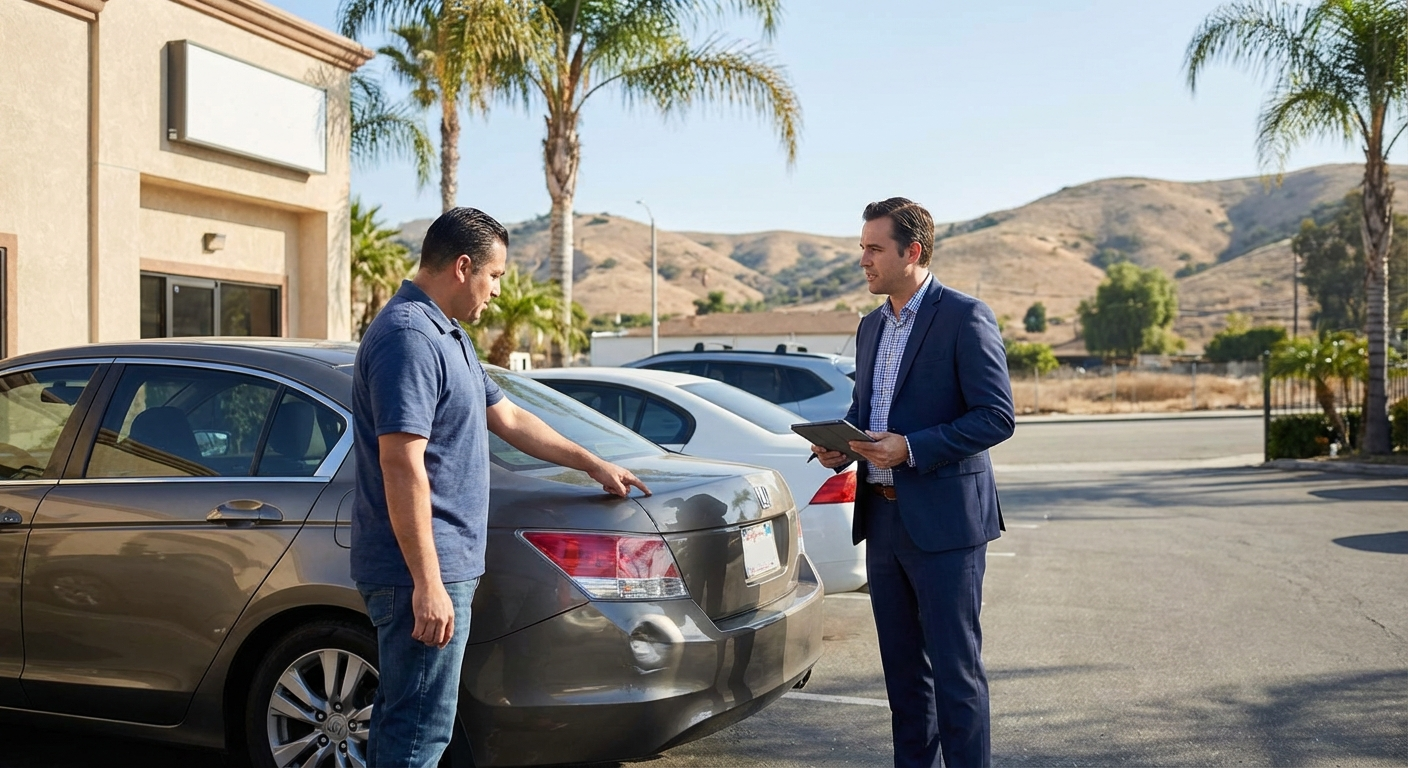
Okay, so you know what it is and who should pay. Now for the tricky part: proving it. Insurance companies aren’t exactly lining up to write checks for diminished value. They’ll often try to minimize it, or even deny it’s a real loss. You’re going to need evidence.
Your best tool here is an independent diminished value appraisal. This means hiring a professional appraiser who specializes in valuing cars after accidents. They’ll look at your car’s condition before the accident, the extent of the damage, the quality of the repairs, and then compare it to market data for similar vehicles with and without accident histories. It’s a detailed report, and it often costs a few hundred dollars out of your pocket – but it’s usually worth it for higher-value vehicles.
Insurers sometimes use their own formulas, like the “17c Formula,” which is a simplified calculation that almost always results in a much lower diminished value figure. Don’t let that be the end of the conversation. That formula is a *starting point* for them, not the final word. It doesn’t account for specific market conditions in places like Orange County or for specialty vehicles. A custom valuation from an expert will carry more weight.
The Process: From Accident to Claim
First, report the accident immediately. Make sure you get a police report if possible, especially if there are injuries or significant damage. Next, get your car repaired by a reputable body shop. Ask for OEM (Original Equipment Manufacturer) parts. Keep every single repair record, invoice, and estimate. These documents prove the extent of the damage and the quality of the fix.
Once your car is back and looking good, that’s the time to get your independent diminished value appraisal. With that report in hand, you’ll present your claim to the at-fault driver’s insurance company. Be prepared for negotiation. They will likely offer you less than your appraisal suggests. This is where you stand firm, using your appraiser’s report as leverage. Remember, the goal is to be made whole again, not just to have your car drivable.
Which brings up something most people miss. You also need to be aware of the statute of limitations in California. Generally, you have two years from the date of the accident to file a property damage claim, which includes diminished value. Don’t drag your feet!
What If the At-Fault Driver Is Uninsured?
This is a scenario that fills many California drivers with dread, and rightly so. What if the person who hit you doesn’t have insurance, or not enough insurance? You might be thinking, “Well, I have uninsured motorist coverage.” And that’s smart! But here’s the thing: uninsured motorist *property damage* (UMPD) coverage often has limitations when it comes to diminished value. Some policies might cover it, some might not, and some might have specific exclusions.
This is a specific area where you really need to review your own policy documents or talk to an insurance professional. If your UMPD doesn’t cover diminished value, or if you don’t carry enough, you’re left with the difficult task of trying to recover the money directly from the at-fault individual, which can be a long and challenging process.
Why Insurers Push Back
It’s not personal, it’s business. Insurance companies are in the business of paying out as little as possible. Diminished value is a subjective loss – it’s not as clear-cut as a repair bill. They know that many policyholders don’t understand it, or don’t have the time and resources to pursue it. They’re hoping you’ll just accept their initial, low offer, or give up. It’s a common tactic, and it’s why being prepared and persistent really matters.
Getting Help: Karl Susman and Your Options
Feeling overwhelmed? That’s completely understandable. The world of insurance can feel like a maze, especially after an accident. While an insurance agent like Karl Susman can’t directly appraise your vehicle or handle the legal aspects of a diminished value claim, he *can* be an invaluable resource in understanding your own policy and what your options are.
Karl, with Save on Car Insurance California (CA License #OB75129), has helped countless California drivers understand their coverage, what to expect, and how to protect themselves. He can clarify what your own policy does and doesn’t cover, including your UMPD limits, and give you a clearer picture of the general process for making a third-party claim. Having someone you trust to answer those confusing questions can make a world of difference.
You deserve to protect your investment. If you’re feeling uncertain about your current coverage or want to make sure you’re prepared for whatever California roads throw at you, reaching out is a smart first step.
Ready to review your coverage and ensure you’re protected on California’s roads? Get a quote today!
Is It Always Worth Pursuing?
Honestly, not always. For older cars with lower market values – say, a 10-year-old compact car with 150,000 miles – the cost of an independent appraisal (which could be $300-$500) might eat up most, if not all, of the potential diminished value recovery. In those cases, the effort might not justify the reward.
But for newer cars, luxury vehicles, or those with significant market value – think a two-year-old SUV from the Valley, or a sports car from Silicon Valley – pursuing a diminished value claim is almost always a good idea. The potential loss can be thousands, or even tens of thousands, of dollars. That’s a big difference.
Protecting Yourself Before an Accident
The best defense is a good offense, right? Knowing your car insurance policy inside and out before an accident happens puts you in a much stronger position. Understand your uninsured motorist coverage, especially the property damage portion. Does it include diminished value? What are the limits?
Choosing a reputable body shop that uses quality parts and stands by its work is also really important. Poor repairs can exacerbate diminished value. And finally, don’t hesitate to ask questions. Your insurance agent is there to help clarify the complexities of your policy.
If you’re driving in California, accidents are a fact of life. Being prepared for *all* the consequences, including diminished value, means you’re protecting your financial well-being.
Want to make sure your auto insurance coverage truly protects your investment? Get a quote and speak with an expert today!
Frequently Asked Questions About Diminished Value Claims
Does my own collision insurance cover diminished value?
No, generally your own collision coverage pays for the repairs to your vehicle or its replacement if it’s totaled. It doesn’t cover the loss of resale value after repairs. Diminished value is usually claimed against the at-fault driver’s liability insurance.
How long do I have to file a diminished value claim in California?
In California, the statute of limitations for property damage claims, which includes diminished value, is generally two years from the date of the accident. It’s best to act quickly, though.
Do I need an attorney for a diminished value claim?
Not always. For smaller claims or if the at-fault insurer is cooperative, you might handle it yourself. However, if the insurer denies your claim, offers a very low amount, or if the diminished value is substantial, consulting an attorney specializing in property damage can be a good idea.
What if the insurance company offers me a low amount for my diminished value?
Don’t immediately accept it. This is a common tactic. If you have an independent appraisal, use it to negotiate. Be prepared to present your evidence and explain why their offer is insufficient.
Is diminished value only for new cars?
While newer, higher-value vehicles often experience a more significant diminished value, it can apply to any car. The key factor is whether the accident history will cause a measurable loss in market value when you go to sell it, regardless of its age.
Understanding diminished value claims is just one more layer to navigating the aftermath of a car accident. It’s a frustrating reality, but being informed is your best defense. Protecting your vehicle, and its worth, means knowing all the angles.
This article is for informational purposes only and does not constitute financial advice.