
Driving for Rideshare in California? What You Don’t Know About Insurance Can Cost You Big
Many folks in California, trying to make a little extra cash, have turned to rideshare driving. Whether you’re delivering food across the Inland Empire or shuttling passengers around Los Angeles, it feels like a smart way to boost your income. You sign up, you hit the road, and you assume everything’s covered, right? Well, that’s where a lot of drivers hit a major speed bump. The truth about car insurance when you’re driving for a rideshare company in our Golden State is often much more complicated than you might think.
This isn’t just about paying for a tiny fender bender. We’re talking about potentially hundreds of thousands of dollars in liability if something goes truly wrong. And honestly, trusting solely your personal auto policy or the rideshare company’s basic coverage? That’s playing with fire.
The Glaring Gap in Your Coverage
Imagine this: you’ve got your personal car insurance policy, which protects you when you’re driving to the grocery store or taking the kids to school. That’s fine. But the moment you flip on that rideshare app – even if you haven’t accepted a passenger yet – you’ve stepped into a different world. Your personal policy often sees this as “commercial use,” and most personal policies have a strict exclusion for that.
This creates what we in the insurance world call the “rideshare gap.” It’s a period of time, sometimes short, sometimes longer, where you might have little to no coverage. The rideshare companies *do* provide some insurance, but it usually kicks in fully only once you’ve picked up a passenger. What happens in between? That’s the part that can leave you financially exposed.
Phase 0: App Off, Just Driving Around
When your rideshare app is completely off, you’re just a regular driver. Your personal car insurance policy covers you exactly as it always would. No problem there. This is your baseline, your everyday protection for personal errands and commutes.
Phase 1: App On, Waiting for a Ride Request
Here’s where it gets interesting. You’ve logged into the app, you’re available for a ride, but no one has requested you yet. You’re cruising down Ventura Boulevard, maybe heading toward a busier area, waiting for that ping. During this “Phase 1” period, your personal policy likely won’t cover you if you get into an accident. Why? Because you’re now engaged in an activity for profit. Your insurer sees you as a commercial driver, even if you don’t have a fare.
The rideshare companies *do* offer some limited liability coverage during this phase. For example, many companies offer around $50,000/$100,000 in bodily injury liability and $25,000 in property damage liability. That sounds like a lot, right? But wait — in California, where medical bills and property damage costs can quickly skyrocket, that might not be enough. If you cause a serious accident on the 405, involving multiple cars and injuries, those numbers can be eaten up fast. And what about damage to your own car? Often, the rideshare company’s coverage in Phase 1 doesn’t include collision or comprehensive for *your* vehicle.
Phase 2: Accepted Ride, En Route to Pick Up
Okay, you’ve accepted a ride! Now you’re heading to pick up your passenger. During this “Phase 2,” the rideshare company’s insurance generally increases substantially. We’re usually talking about $1 million in third-party liability coverage. That’s a much more comforting number for bodily injury and property damage you might cause to others. Many rideshare companies also offer contingent collision and comprehensive coverage for your car during this phase, but it usually comes with a pretty high deductible — sometimes $1,000 or even $2,500. Still, it’s better than nothing.
Phase 3: Passenger in Car, Until Drop-Off
With a passenger safely buckled in, you’re fully covered by the rideshare company’s most extensive policy. This “Phase 3” typically carries that same $1 million in third-party liability. If your car has a loan or lease, and you carry collision and comprehensive on your personal policy, the rideshare company’s contingent coverage will usually kick in for damage to your vehicle, subject to that high deductible. Once you drop off your passenger and the ride officially ends, you revert back to Phase 1 until you turn off the app, or accept another ride.
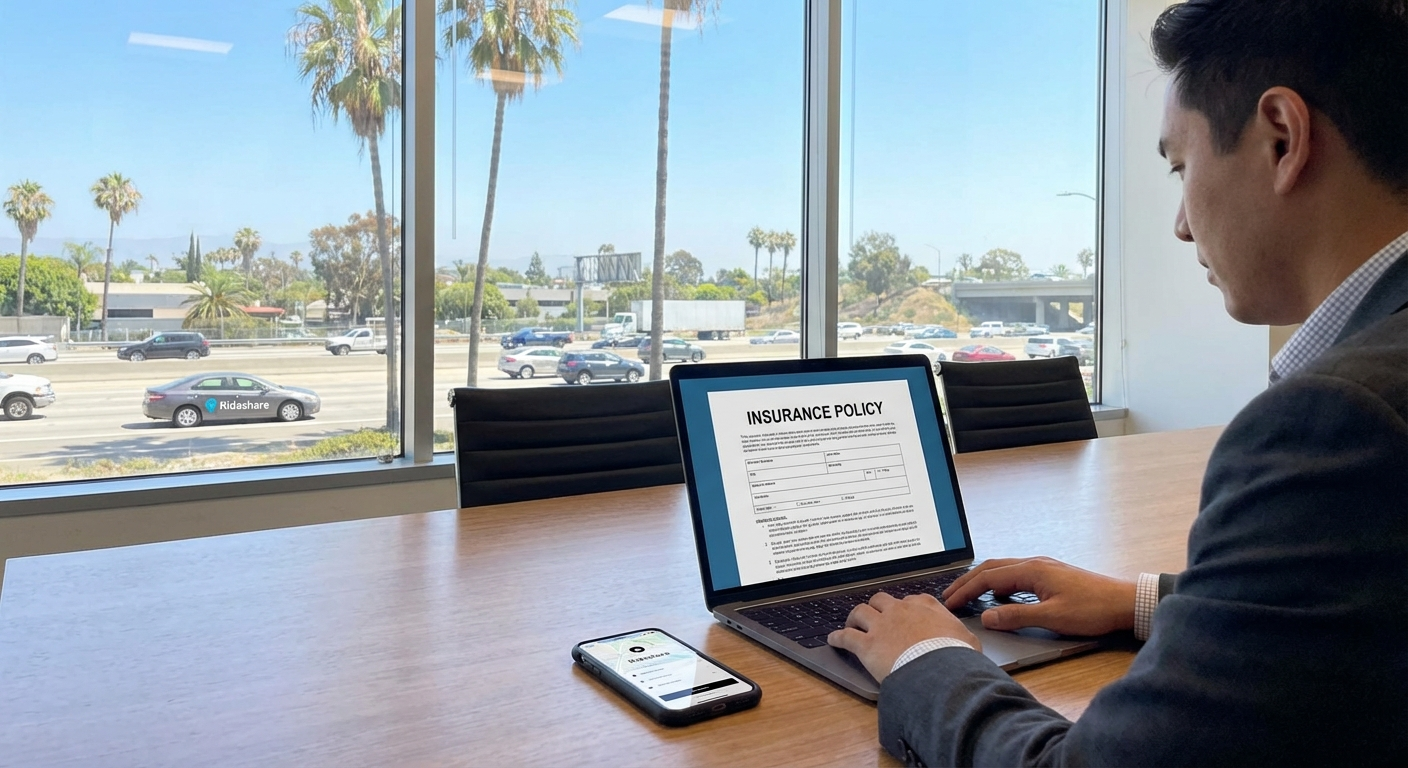
Why Your Personal Policy Won’t Cut It
Picture this: You’re driving for a rideshare company in San Jose. App is on, waiting for a ping. You get distracted for a second, maybe checking your GPS, and you rear-end another car. The damage is extensive. The other driver is hurt. You call your personal insurance company, explaining you were working. What happens next?
Most personal auto policies contain a “commercial exclusion” clause. This means if they find out you were driving for a rideshare or delivery service at the time of the accident, they can deny your claim entirely. Not just the claim for the other car, but for *your* car too. Suddenly, you’re on the hook for repairs, medical bills for the other party, potential lawsuits, and damage to your own vehicle. That could mean bankruptcy. It’s a harsh reality, but it’s one many drivers don’t discover until it’s too late.
Rideshare Endorsements: Your Best Bet for Peace of Mind
This is where a rideshare endorsement, sometimes called a hybrid policy or gap coverage, comes into play. It’s an add-on to your personal auto insurance policy that specifically covers that “Phase 1” gap – when your app is on but you haven’t yet accepted a ride. It essentially extends your personal policy’s coverage to include rideshare activity during that vulnerable period.
Many major insurers operating in California now offer these endorsements. Companies like State Farm, Farmers, Mercury, and AAA have recognized the need and created solutions. The cost for these endorsements varies, but it’s often surprisingly affordable, typically adding an extra 10% to 20% to your premium. For example, if you’re paying $150 a month for personal insurance, an endorsement might add $15-$30. That’s a small price to pay for protecting yourself from a six-figure catastrophe.
What’s really great about these endorsements is that they bridge the gap seamlessly. When you add it to your personal policy, you generally get the same liability limits, collision, and comprehensive coverage you already have, extended into that Phase 1. That means if you have a $500 deductible on your personal policy, that’s your deductible in Phase 1, not the rideshare company’s much higher one.
What to Look For in a Rideshare Policy
When you’re considering a rideshare endorsement, don’t just jump at the cheapest option. Think about what you actually need.
* **Liability Limits:** California drivers face high costs. Make sure your liability limits are robust enough to protect your assets if you cause a serious accident. Don’t skimp here.
* **Collision and Comprehensive:** Do you have a newer car? A loan? You’ll want to ensure your own vehicle is protected from damage, theft, or other non-collision incidents, even during Phase 1.
* **Deductibles:** Remember that high deductible the rideshare companies often have for contingent collision/comprehensive? An endorsement usually means your personal policy’s lower deductible applies. Big difference.
* **Uninsured/Underinsured Motorist (UM/UIM):** This is absolutely essential in California. What if you’re hit by a driver who has no insurance, or not enough, while you’re in Phase 1? Your UM/UIM coverage would protect you.
The California Angle on Rideshare Insurance
California is a unique beast when it comes to insurance. We have dense traffic, high repair costs, and a litigious society. This all contributes to generally higher insurance premiums, especially in metropolitan areas like San Francisco or the sprawling neighborhoods of Orange County. Prop 22, passed by voters, affirmed the independent contractor status of rideshare drivers, which has some implications for benefits, but it doesn’t fundamentally change the insurance requirements for drivers. You’re still responsible for your own coverage during that gap.
Finding the right policy here means understanding our specific laws and risks. Driving for Uber Eats in Sacramento is different from driving for Lyft in downtown San Diego. Your rates will depend on where you drive, how much you drive, your driving record, and the specific car you operate.
Finding the Right Fit for You
Trying to sort through all the options, comparing policies from different carriers, and understanding the fine print can feel like a part-time job itself. Many drivers just pick the first option they see, or worse, ignore the problem entirely. But here’s the thing: you don’t have to go it alone.
That’s why an independent agent, someone like Karl Susman at Save on Car Insurance California, can be such a lifesaver. Karl and his team specialize in California insurance and they understand the ins and outs of rideshare coverage. They work with multiple insurance companies, so they can compare rates and options to find a policy that truly fits your specific needs and budget. They’re not tied to one company, which means they’re working for *you*.
Don’t wait until after an accident to find out you’re not properly covered. Take control of your financial security. Get a quote and see how affordable true peace of mind can be.
You can start by getting a personalized quote right now: https://saveoncarinsurancecalifornia.com/quote/
Common Misconceptions About Rideshare Insurance
It’s amazing how many myths float around out there.
* “My rideshare company covers everything.” Not always. Their coverage often has gaps, especially in Phase 1, and usually comes with high deductibles for your own car.
* “My personal insurer won’t find out I’m driving rideshare.” Oh, they will. Insurance companies are very good at investigating claims. If they discover you were engaged in commercial activity, your claim will likely be denied, and your policy could even be canceled. That makes it harder and more expensive to get insurance in the future.
* “It’s too expensive.” While it adds to your premium, the cost of an endorsement is usually far less than the financial devastation of an uncovered accident.
Frequently Asked Questions About California Rideshare Insurance
Q: Do I really need extra insurance if I drive for a rideshare company in California?
A: Yes, absolutely. Your personal car insurance policy almost certainly won’t cover you when you’re driving for profit, even if you just have the app on and are waiting for a ride. The rideshare company’s insurance has gaps, especially during that “app on, no passenger” phase. An endorsement bridges that gap, protecting you from potentially massive financial losses.
Q: What is the “rideshare gap” and why is it so important?
A: The rideshare gap is the period when your rideshare app is on, but you haven’t accepted a passenger yet. During this time, your personal insurance likely won’t cover you, and the rideshare company’s coverage is very limited, often not covering damage to your own vehicle. This gap leaves you highly vulnerable in case of an accident.
Q: How much does rideshare insurance typically cost in California?
A: The cost varies widely based on your insurer, driving record, vehicle, and location (e.g., Los Angeles vs. Fresno). However, a rideshare endorsement is often an affordable add-on, typically increasing your premium by 10% to 20%. It’s a small investment for significant protection.
Q: Can my personal auto insurance policy be canceled if I drive for rideshare without telling them?
A: Yes, it definitely can. If your insurance company discovers you were driving for a rideshare service without the proper endorsement, they can deny any claims related to that activity, cancel your policy, and even potentially flag you, making it harder to get coverage from other insurers in the future.
Q: Where can I get a quote for California rideshare insurance?
A: You can easily get a quote by visiting https://saveoncarinsurancecalifornia.com/quote/. An independent agent like Karl Susman at Save on Car Insurance California (CA License #OB75129, phone (877) 411-5200) can help you find the best options from multiple carriers.
Don’t leave your financial future to chance. Driving for a rideshare company offers flexibility and income, but it also adds a layer of complexity to your insurance needs. Make sure you’re protected every mile of the way. Reach out to Karl Susman and his team at Save on Car Insurance California – CA License #OB75129 – or call (877) 411-5200. They can help you understand your options and secure the right coverage.
You can also get a fast, personalized quote right here: https://saveoncarinsurancecalifornia.com/quote/
This article is for informational purposes only and does not constitute financial advice.