
California Car Insurance: What Drivers Need to Know for 2026
Driving in California means more than just navigating our freeways and enjoying the scenery. It also means carrying car insurance. That’s not new. But what *is* new, or at least constantly shifting, are the specifics of those requirements and what they mean for your wallet. As we look toward 2026, it’s smart to understand what’s on the horizon for California drivers.
The Bare Minimum: What the Law Says You Must Carry
Let’s get straight to it. California law has a floor for car insurance, a minimum liability coverage that every driver needs. This isn’t changing for 2026. You’ll still need:
* **$15,000 for injury/death to one person:** If you cause an accident, your insurance pays up to this amount for medical bills, lost wages, and other damages for one injured person.
* **$30,000 for injury/death to more than one person:** For accidents where multiple people are hurt, this is the total your insurance will pay out for bodily injuries.
* **$5,000 for property damage:** This covers repairs to the other driver’s car or property, like a fence or mailbox, if you’re at fault.
These numbers are often called 15/30/5. It’s the absolute least you can have to legally drive. Honestly, most insurance professionals, including Karl Susman of Save on Car Insurance California, will tell you those minimums are barely enough for a fender bender, let alone a serious crash. A trip to the emergency room in the Valley can easily blow past $15,000. Repairing even a minor ding on a newer car can eat up that $5,000 property damage limit pretty quickly.

Beyond the Basics: Smart Coverages to Consider
Just because something isn’t required doesn’t mean it’s not a good idea. Here’s where many California drivers find peace of mind.
Uninsured Motorist Coverage
California has a lot of uninsured drivers. A lot. Which brings up something most people miss: if an uninsured driver hits *you*, who pays? That’s where Uninsured Motorist Bodily Injury (UMBI) and Uninsured Motorist Property Damage (UMPD) come in.
UMBI covers your medical bills, lost wages, and pain and suffering if an uninsured or underinsured driver injures you. UMPD covers damage to your vehicle. While you can technically waive these coverages in California, it’s a risky move. Imagine getting T-boned on the 101 by someone with no insurance. You’d be stuck with the bills.
Collision and Comprehensive
These two are often lumped together, and they’re not legally required unless you have a car loan or lease. Your lender will insist on them.
* **Collision coverage** pays for damage to your own car if you hit another vehicle, an object, or roll over. It doesn’t matter who’s at fault.
* **Comprehensive coverage** handles everything else: theft, vandalism, fire, hail, hitting an animal, falling objects. Think about the wildfires that sweep through parts of California, or the occasional hailstorm in the Inland Empire. Comprehensive protects your investment.
If you own your car outright, you *could* drop these. But if your car is worth more than you can comfortably afford to replace, keeping them is a smart play.
Medical Payments (MedPay)
This coverage pays for medical expenses for you and your passengers, regardless of who caused the accident. It’s a quick way to get medical bills paid without waiting for fault to be determined. For many, it’s a small premium for a lot of potential relief.
What’s Driving Up Rates in California?
Honestly, it feels like everything is more expensive these days, and car insurance is no exception. Premiums jumped 40% between 2022 and 2024 for many drivers. Why? A few big reasons:
* **Inflation:** The cost of everything has gone up. Parts for cars, labor for repairs, medical treatments for injuries. Insurers have to pay more when claims happen.
* **More Expensive Cars:** Modern cars are packed with sensors, cameras, and complex electronics. A minor fender bender can require replacing expensive components, driving up repair costs significantly.
* **Severe Weather:** California’s weather patterns are changing. More intense wildfires, like the ones that threatened parts of LA County in 2025, and increased flood risks mean more claims for comprehensive coverage. Insurers factor this into their risk models across the state.
* **Distracted Driving:** Despite all the warnings, too many people are still looking at their phones instead of the road. This leads to more accidents, which means more claims.
* **Prop 103:** This 1988 ballot initiative gives California’s Insurance Commissioner the power to approve or reject rate changes. While it’s designed to protect consumers, it can also slow down rate adjustments, sometimes leading to insurers pulling back from the market or needing larger increases when they finally get approved.
That’s not the whole story. Insurers also look at your driving record, where you live (urban areas like San Francisco or downtown LA generally see higher rates than, say, a quiet neighborhood in Ventura County), the type of car you drive, and how much you drive it.
The California “Good Driver” Discount
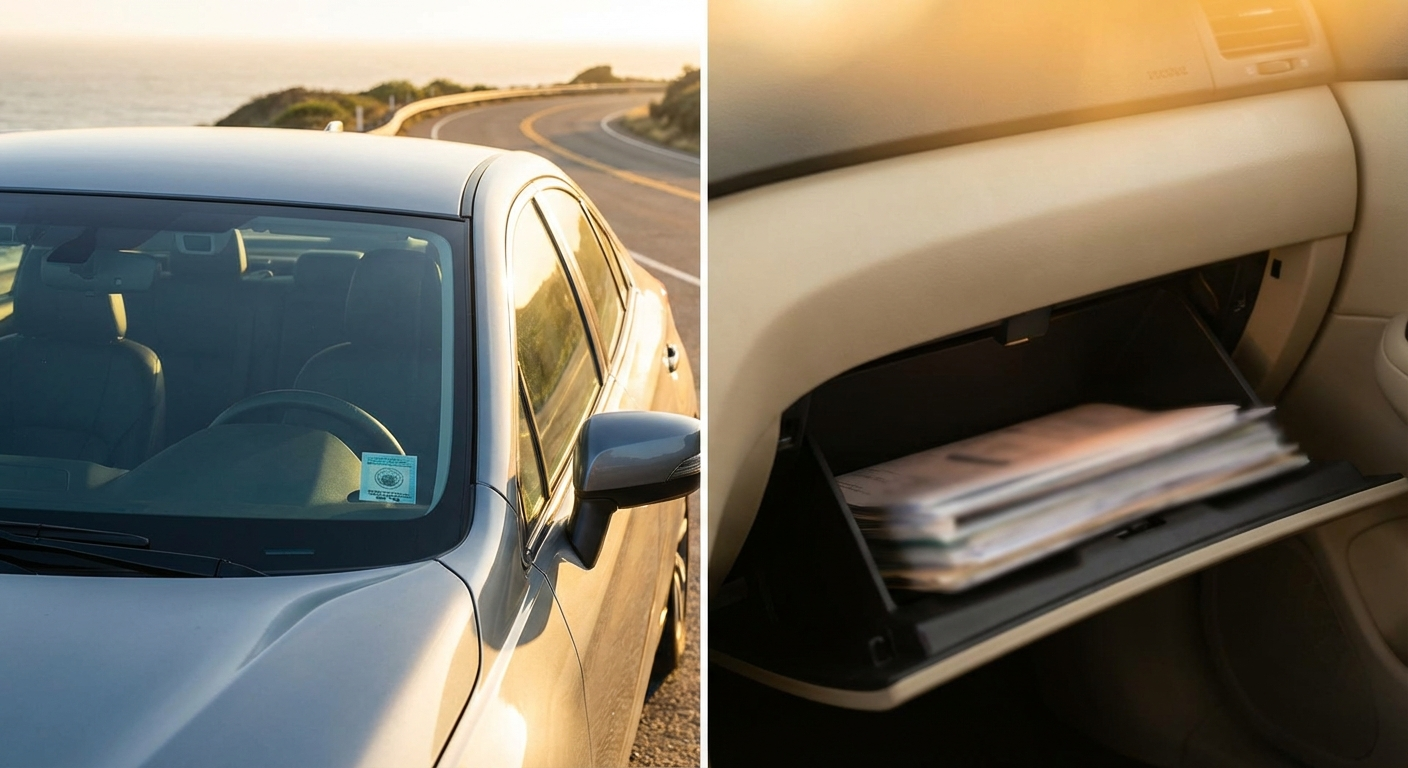
California law mandates a “good driver” discount of at least 20% for drivers who meet specific criteria. You’re generally considered a “good driver” if you’ve been licensed for at least three years, have no more than one point on your driving record, and haven’t caused an accident that resulted in injury or death in the past three years. This discount is a big deal, and if you qualify, you should absolutely make sure you’re getting it.
One thing California *doesn’t* let insurers do is use your credit score to determine your rates. Many other states do, but not here. This means your driving record, location, and vehicle are even more important factors.
Finding the Right Coverage for 2026
With all these moving parts, how do you make sure you’re getting the best deal without sacrificing necessary protection? It’s not always simple. Insurers like State Farm, AAA, and Farmers all have different ways of calculating risk and offering discounts. Their rates can vary wildly for the exact same coverage.
This is where an independent agent like Karl Susman comes in. He and his team at Save on Car Insurance California (CA License #0B75129) work with multiple carriers. They don’t just quote one company; they shop around for you. They understand the nuances of the California market and can help you compare options to find a policy that fits your needs and budget.
You might think you’re saving money by going with the absolute minimum coverage. But here’s the thing. A single accident can wipe out any perceived savings and leave you with massive out-of-pocket expenses. It’s about balancing cost with adequate protection.
Ready to see what your options are for 2026? Don’t wait until the last minute. Get a personalized quote and understand your choices.
Click here to get a free car insurance quote from Save on Car Insurance California.
What to Expect as 2026 Approaches
We’ll likely continue to see rate adjustments. The cost of living and doing business in California isn’t going down. Insurers are also still adapting to new technologies in cars and the ongoing challenges of climate change. Don’t be surprised if your renewal premium changes. It’s not always a sign you did something wrong; it’s often a reflection of the broader market.
Staying informed and regularly reviewing your policy is key. Your driving habits might change. You might move to a new area. Your car might get older. All these things can impact your insurance needs and rates.
For most California drivers, car insurance isn’t just a legal requirement; it’s a financial safeguard. Understanding the rules and knowing your options can save you a lot of headache — and money — down the road.
Start comparing California car insurance rates today.
Frequently Asked Questions About California Car Insurance
What happens if I drive without insurance in California?
If you’re caught driving without insurance, you can face fines, your vehicle might be impounded, and your driver’s license could be suspended. The penalties increase for repeat offenses. Plus, if you cause an accident, you’ll be personally responsible for all damages and injuries.
Does my car insurance cover me if I drive in another state?
Generally, yes. Most California car insurance policies extend coverage to you when you drive in other states within the United States and Canada. However, the coverage limits might revert to the minimum required in that specific state if they’re higher than your California limits. It’s always a good idea to check with your agent before a long road trip.
Can my car insurance company cancel my policy?
Yes, an insurance company can cancel your policy, but they need a valid reason. Common reasons include not paying your premiums, making a material misrepresentation on your application (like lying about your driving record), or having your driver’s license suspended or revoked. They usually have to give you advance notice.
Is it true that California doesn’t use credit scores for car insurance?
That’s absolutely true. Unlike many other states, California law prohibits insurance companies from using your credit score as a factor when determining your car insurance rates. They look at things like your driving record, years of driving experience, where you live, and the type of vehicle you drive instead.
How often should I review my car insurance policy?
It’s smart to review your car insurance policy at least once a year, especially around renewal time. You should also review it if you have a major life event, like buying a new car, moving to a new address, getting married, or adding a new driver to your household. Your needs change, and your insurance should, too.
This article is for informational purposes only and does not constitute financial advice.