
Why Your Classic Isn’t Just “Another Car” to Insurers
If you own a classic car in California, you already know it’s more than just a way to get around. It’s a piece of history, a passion project, maybe even an investment. But here’s the thing: your standard auto insurance policy, the one covering your daily driver, probably won’t cut it for your cherished vintage ride. Not even close.
Honestly, trying to insure a pristine ’67 Mustang or a ’59 Cadillac with a regular policy is like trying to fit a square peg in a round hole. Standard policies are built for depreciation. They assume your car loses value the moment you drive it off the lot. For a classic, the opposite is often true. It’s appreciating, gaining value as it ages, provided it’s well-maintained and rare. That’s a big difference.
What Makes a Car “Classic” Anyway?
Good question. The definition isn’t always set in stone, but generally, insurers look at a few things. Age is a big one — usually 25 years or older. Condition matters a lot, too. Is it original? Restored? Modified? Then there’s usage. A classic isn’t typically your grocery getter. It’s for pleasure drives, car shows, club events.
California’s DMV has its own classifications for “historical vehicles,” which can impact things like registration and smog exemptions, especially for cars made before 1976. But for insurance purposes, the carrier’s definition is what counts. Don’t assume your ’95 Miata, while cool, will qualify for classic coverage just yet. It’s usually about rarity, collectibility, and how it’s cared for.
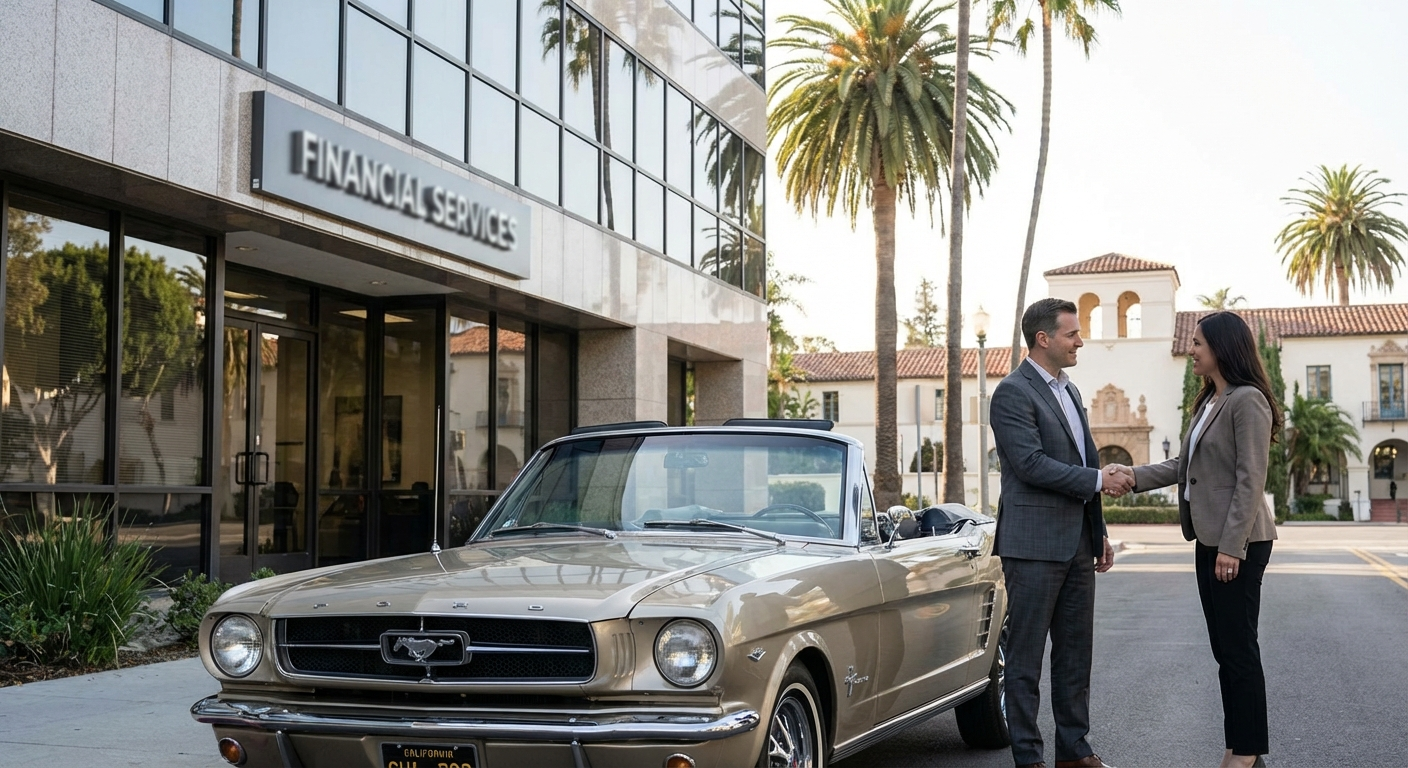
The Unique Risks California Poses for Classic Cars
Living in the Golden State means sunshine and beautiful roads. It also means specific challenges for classic car owners. Think about the wildfire seasons that plague us, from Ventura County to the Inland Empire. A garage fire, or even smoke damage, can devastate a classic. We saw it with the 2025 LA fires — homes and everything inside them, including prized possessions, were lost in minutes.
Theft is another real concern. High-value vehicles, especially those that stand out, are targets. Drive through the Bay Area or parts of the Valley, and you’ll hear stories. Parts alone can be worth a fortune. Then there’s the sheer volume of traffic. More cars mean more chances for an accident, even if you’re only driving your classic on weekends. A fender bender in a modern car is one thing; finding parts and skilled labor for a classic after a crash is a whole different ballgame.
California’s insurance market itself can be tricky. Prop 103, passed way back in 1988, regulates how rates are set, but it also creates a complex environment. Lately, we’ve seen major carriers like State Farm and Farmers pull back or limit new policies. Even AAA has adjusted its offerings. This makes finding specialized coverage even more important.
Agreed Value: The Golden Rule for Classic Car Coverage
This is the single most important concept for classic car insurance. With a standard policy, if your car is totaled, the insurer pays out “actual cash value” (ACV). That’s replacement cost minus depreciation. For a classic, ACV would be a disaster. Your ’65 Corvette might be worth $80,000, but an ACV payout might only give you $15,000 because of its age.
Agreed value is different. You and the insurance company agree on the car’s value *before* the policy starts. If it’s totaled, you get that agreed-upon amount, no questions asked, no depreciation applied. That’s peace of mind right there. Usually, you’ll need an appraisal or a detailed market analysis to establish this value. It’s a small investment to protect a much larger one.
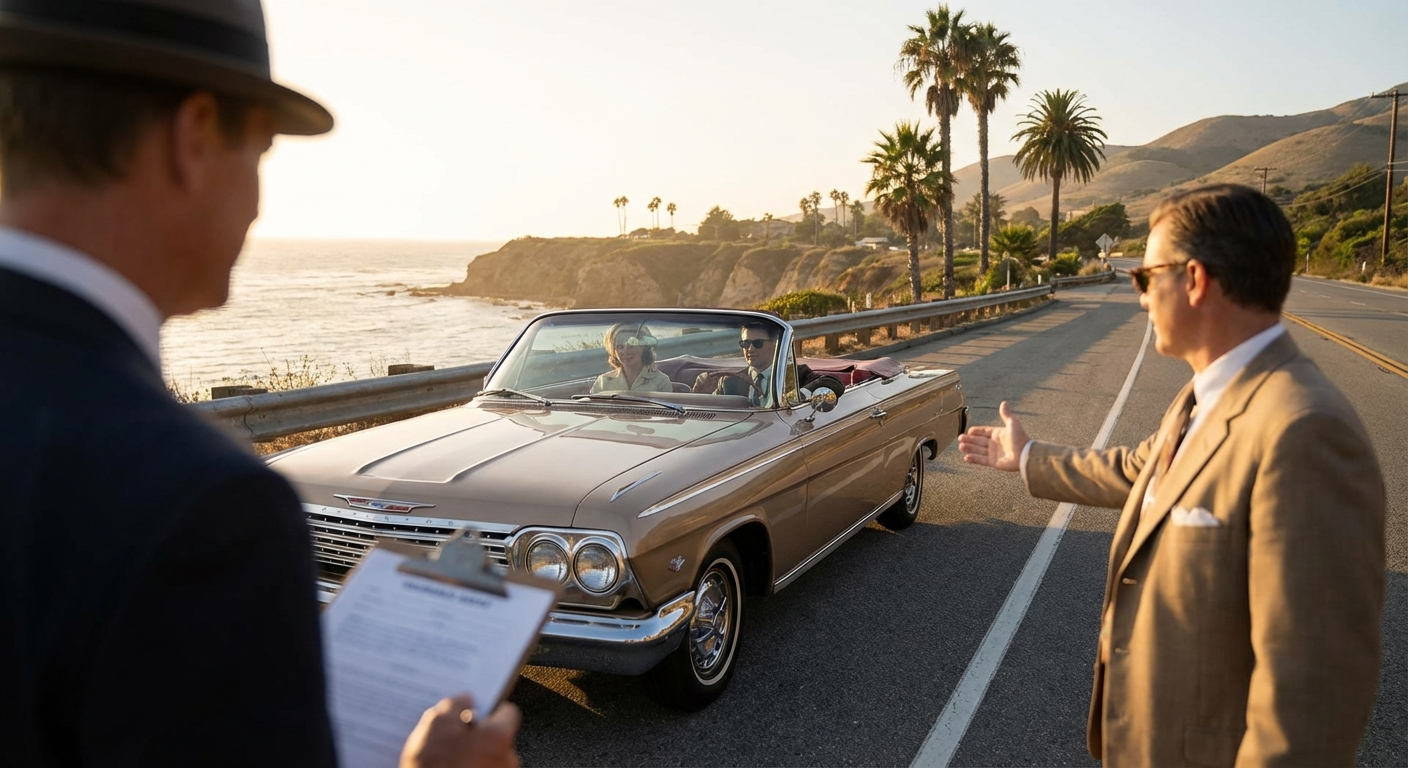
Usage Restrictions: A Small Price for Big Savings?
Here’s where it gets interesting. Classic car policies often come with usage restrictions. You might have a mileage limit — say, 2,500 or 5,000 miles a year. They’ll also want to know where the car is garaged. Is it in a locked, private garage? That’s preferred.
Some owners see these restrictions as a hassle. They want to drive their classic whenever and wherever. But these limits are precisely what keeps the premiums lower. Insurers know a car driven only occasionally, carefully, and stored securely, is a much lower risk than a daily commuter. If you’re honest about how you use your car, these policies can save you a bundle compared to trying to force a classic onto a standard policy.
Beyond the Basics: Other Coverages You’ll Want
Basic liability and agreed value collision/comprehensive are just the start. For a classic, you’ll want to think about other protections.
For instance, roadside assistance. You’ll want a policy that includes flatbed towing. Dragging a classic up a ramp with chains can cause serious damage to its frame or suspension. Many specialized policies include this automatically.
What about spare parts? If you’re collecting or restoring, you might have a stash of valuable parts. Some policies offer coverage for these. Inflation guard is another smart add-on. It automatically increases your car’s agreed value by a small percentage each year, accounting for market appreciation without you needing a new appraisal every 12 months.
If your car is undergoing a major restoration, look for “dismantlement and restoration” coverage. This protects the car even when it’s in pieces, in various stages of repair. It’s not something you’d ever find on a standard policy.
Finding the Right Policy in California: It’s Not Always Easy
Honestly, finding the right classic car insurance in California can feel like a scavenger hunt. With many major carriers tightening their belts, specialized policies become even more important. You can’t just call up any big-name insurer and expect them to understand the nuances of a ’55 Chevy Nomad.
This is where an independent agent truly shines. They work with multiple carriers, including those dedicated solely to classic and collector cars. They know the market, they know the specific requirements, and they can match you with a policy that actually fits your unique vehicle and usage. Karl Susman at Save on Car Insurance California, CA License #0B75129, has helped countless California owners protect their classics. He knows the ins and outs of this specialized market.
Ready to see what a proper classic car policy looks like? Get a quote today and protect your investment: Get Your Classic Car Insurance Quote
Common Pitfalls to Avoid
Don’t make these common mistakes. The biggest one? Underinsuring your classic. If you’ve got a ’69 Camaro Z/28 worth $120,000 and you only insure it for $75,000, you’re leaving a lot of money on the table if it’s totaled. Get it appraised. Get the agreed value right.
Another pitfall is not updating your value. Classics appreciate. If you had an agreed value of $50,000 five years ago, and now the market says it’s worth $70,000, your policy needs to reflect that. Talk to your agent regularly.
Finally, don’t misrepresent your usage. If you tell the insurer it’s only for weekend drives but you’re actually commuting in it daily, you could face serious problems if you need to file a claim. Be honest. It’s always better in the long run.
The Future of Classic Car Insurance in the Golden State
The California insurance market is always shifting. We’ve seen a lot of changes recently, from increased premiums across the board to fewer options from some carriers. But for classic cars, the specialized market tends to be a bit more stable. These insurers understand the niche and price their policies accordingly.
The key is to stay informed and work with someone who understands the specific needs of classic car owners in California. Don’t settle for a cookie-cutter policy that leaves your prized possession vulnerable. Your classic deserves better.
Want to make sure your classic is properly protected? Get a personalized quote: Get Your Classic Car Insurance Quote
Frequently Asked Questions About Classic Car Insurance in California
Does my classic car need to be a certain age to qualify for classic car insurance?
Most insurers consider a car “classic” if it’s at least 25 years old. However, some policies also cover newer “future classics” or even certain rare, high-performance vehicles that are appreciating in value, even if they’re not quite 25 yet.
Can I drive my classic car regularly with classic car insurance?
Generally, no. Classic car policies are designed for limited, pleasure use — think car shows, club events, and occasional drives. They usually come with annual mileage limits (often 2,500 to 5,000 miles). If you plan to use your classic as a daily driver, a standard policy might be your only option, but it won’t offer agreed value coverage.
What’s the difference between “agreed value” and “stated value” coverage?
Big difference. “Agreed value” means you and the insurer agree on a specific value for your car, and that’s exactly what you’ll get if it’s a total loss. “Stated value,” however, often means the insurer will pay *up to* the stated value or the actual cash value, whichever is *less*. Always aim for agreed value for a classic.
Do I need an appraisal for my classic car to get insurance?
Often, yes, especially for higher-value or highly customized vehicles. An appraisal helps establish the “agreed value” with the insurer. For some less expensive classics, photos and a detailed description might be enough, but an appraisal is always a good idea for peace of mind.
Can I get classic car insurance for a project car that’s not yet restored?
Many specialized insurers offer coverage for cars undergoing restoration. This can protect the vehicle and its parts even when it’s in pieces. It’s often called “dismantlement and restoration” coverage and is vital for anyone with a work-in-progress classic.
This article is for informational purposes only and does not constitute financial advice.