
What Happens When Your Loan Outlasts Your Car? That’s the Gap.
Imagine driving off the lot in a brand-new car, say, a shiny electric vehicle perfect for cruising down the Pacific Coast Highway. It feels great. You’ve got a loan for the whole thing, maybe a seven-year term to keep those monthly payments manageable. You’re thinking about road trips through the Sierra Nevada, not fender benders.
But here’s the thing about cars: they lose value. Fast. The moment those tires hit the street, your car depreciates. It’s just a fact of life, especially with new models hitting showrooms every year. That depreciation creates a real problem, a financial chasm many drivers don’t even realize exists until it’s too late. It’s what we in the insurance world call “the gap.”
The Unfortunate Truth About Your Car’s Value
Most standard auto insurance policies, even here in California, pay out what’s called the “actual cash value” (ACV) if your car is totaled. What does ACV mean? It’s basically what your car was worth right before the accident, factoring in depreciation, mileage, and wear and tear. It’s what someone would realistically pay for it on the open market.
Now, think about that car loan. When you total your car, your insurer pays you the ACV. But what if that ACV is less – sometimes *much* less – than what you still owe on your loan or lease? That difference? That’s the gap. You’re left holding the bag, still owing the bank money for a car you no longer have, a car that’s probably sitting in a salvage yard somewhere in the Inland Empire. It’s a tough pill to swallow.

Why the Gap Is a Bigger Deal in California
California drivers face some unique challenges that can make this gap even wider. For starters, car prices here are often higher than the national average. You might pay more for that same EV in Los Angeles than someone in, say, Ohio. That means a bigger loan to begin with.
Then there’s the sheer volume of traffic. Our freeways, from the 405 to the 101, are notorious. More cars, more congestion, more accidents. This isn’t just about minor scrapes; it’s about the increased likelihood of a serious collision that could total your vehicle.
Which brings up something most people miss: California’s high cost of living often pushes people to take longer loan terms or put down smaller down payments. You’re trying to keep the monthly budget in check. But the longer the loan, the slower you pay down the principal, and the more likely your car’s depreciation outpaces your loan payoff. It’s a recipe for a substantial gap.
And let’s not forget the natural disasters. While we often think of home insurance for wildfires, they can absolutely impact vehicle values and lead to total losses. A car damaged beyond repair in the wake of the 2025 LA fires, or caught in a Ventura County mudslide, would also be subject to that ACV payout.
How Gap Coverage Steps In
So, what does gap coverage actually do? It’s pretty straightforward. If your car is totaled in an accident, stolen and not recovered, or otherwise deemed a total loss, and your insurance company pays out the ACV, gap coverage pays the difference between that ACV and the remaining balance on your loan or lease. It covers that financial hole.
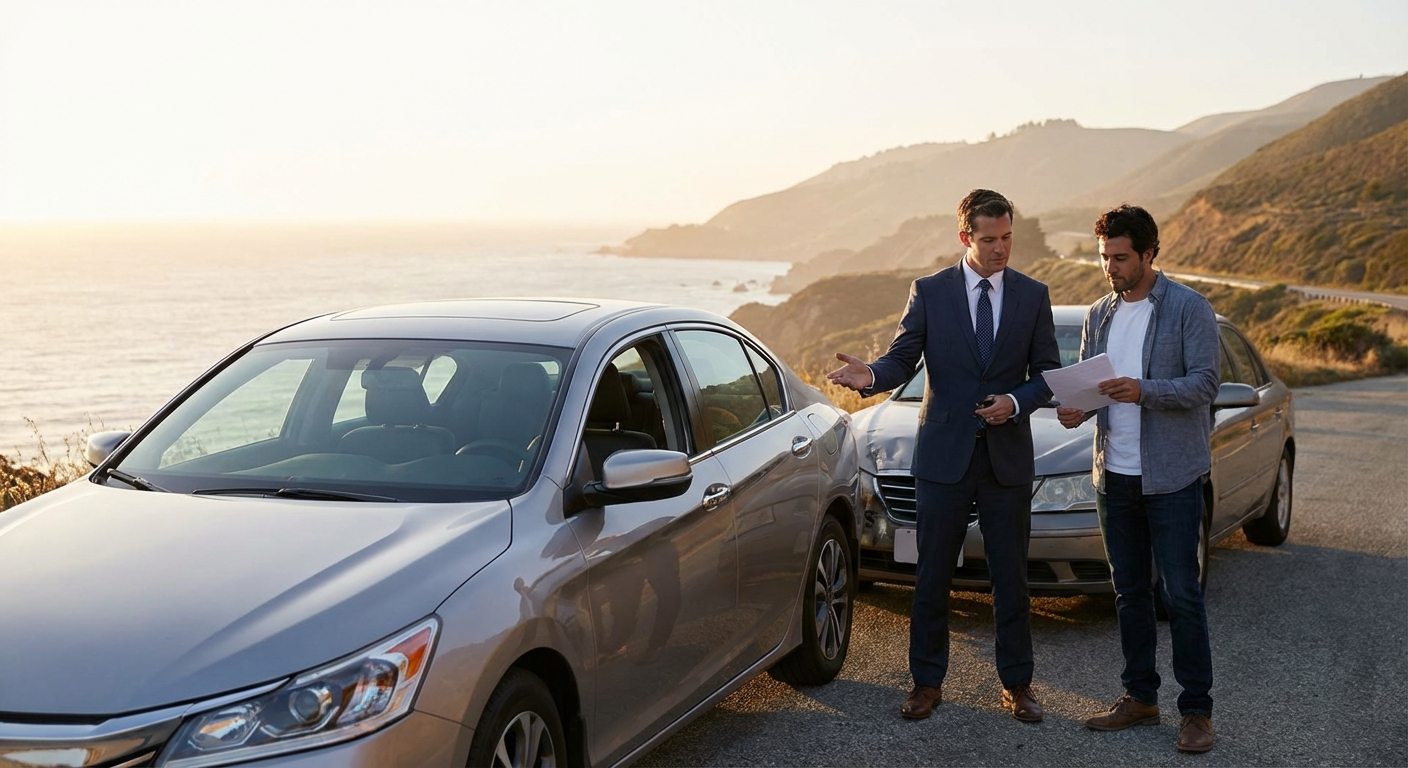
Let’s say you bought a car for $40,000. A year later, you still owe $35,000. You get into an accident on the 5 Freeway, and your insurer declares your car a total loss, valuing it at $28,000 ACV. Without gap coverage, you’d get $28,000 from your insurer, but you’d still owe the lender $7,000 out of your own pocket for a car you no longer own. With gap coverage, that $7,000 difference is covered. Simple as that.
Who Really Needs Gap Coverage?
Honestly, not every driver needs gap coverage. But a lot of California drivers do, especially if any of these situations sound familiar:
* **You bought a brand-new car.** New cars depreciate fastest in their first few years.
* **You made a small down payment, or no down payment at all.** This means your loan balance starts high and stays high for longer.
* **You have a long loan term.** Think 60 months, 72 months, or even 84 months. The longer the term, the slower you build equity, and the greater the risk of a gap.
* **You leased a vehicle.** Most lease agreements require gap coverage, or it’s built into your monthly payment. It protects both you and the leasing company.
* **You rolled negative equity from a previous car into your new loan.** This instantly puts you underwater.
* **Your car is a high-depreciation model.** Some cars just don’t hold their value well.
If you’re in one of these boats, gap coverage isn’t just a nice-to-have; it’s a smart financial move. It’s peace of mind, knowing that a total loss won’t leave you with a massive debt and no car.
Where Do You Get Gap Coverage?
You usually have two main options for getting gap coverage.
First, you can often buy it directly from the dealership or your lender when you finance or lease the vehicle. They’ll typically roll the cost right into your loan. This can seem convenient, but it’s not always the most cost-effective route. Often, these policies are more expensive than what you’d get elsewhere. Plus, if you finance the gap coverage, you’re paying interest on it for the life of the loan.
The second option, and often the better one, is to add it to your existing auto insurance policy. Most major insurers like State Farm, AAA, and Farmers offer gap coverage as an add-on. It’s usually a relatively small additional premium, a fraction of what you’re already paying for collision and comprehensive.
Here’s where it gets interesting. When you get it through your insurer, the cost is typically lower, and it’s paid as part of your regular premium, not financed. Karl Susman, from Save on Car Insurance California, CA License #0B75129, always advises clients to compare these options. He knows the California market inside and out and can help you figure out which path makes the most financial sense for your specific situation.
Distinguishing Gap Coverage from Other Protections
Sometimes people confuse gap coverage with other related insurance products. Big difference.
* **New Car Replacement Coverage:** This is different. If your new car is totaled, new car replacement coverage pays to replace it with a brand-new car of the same make and model, without deducting for depreciation. It’s usually only available for cars less than a year or two old, with low mileage. Gap coverage, on the other hand, just covers the financial difference between your loan and ACV – it doesn’t get you a new car.
* **Rental Car Reimbursement:** This coverage pays for a rental car while your vehicle is being repaired or after a total loss. It has nothing to do with your loan balance.
* **Extended Warranty:** This covers mechanical breakdowns and repairs after the manufacturer’s warranty expires. Again, totally separate from the financial risk of a total loss.
Gap coverage is very specific. It’s about protecting your wallet from that loan-to-value deficit.
When You Might Not Need Gap Coverage Anymore
Just as there are good reasons to get gap coverage, there are also times when you can probably drop it. You won’t need it forever.
Once you’ve paid down a significant portion of your loan, or your car has aged enough that its actual cash value is *more* than what you owe, the gap disappears. You’re “above water” on your loan. This usually happens a few years into a typical loan term, especially if you made a decent down payment or have been making extra payments.
It’s a good idea to check your loan balance against your car’s estimated ACV every year or so. You can use online valuation tools like Kelley Blue Book or NADA Guides to get a rough idea of your car’s market value. If the numbers show you’re no longer upside down, you can contact your insurer and remove gap coverage from your policy, saving a little on your premium.
Making the Smart Choice for Your California Ride
Understanding gap coverage isn’t about fearing the worst; it’s about being prepared. It’s about protecting your financial stability in a state where car ownership is often a necessity, and the costs can be substantial. For many California drivers, especially those with new cars and long loans, it’s a small investment that offers huge peace of mind.
Don’t leave yourself exposed to a financial shock if your car becomes a total loss. Talk to an expert. Karl Susman and his team at Save on Car Insurance California, CA License #0B75129, are always ready to help you understand your options and find the right coverage for your unique situation. They’re just a phone call away at (877) 411-5200.
Ready to see how gap coverage fits into your overall auto insurance plan? It’s a simple step to protect your investment.
Get a free California car insurance quote today!
Knowing your options means you can drive with confidence, whether you’re navigating the traffic in the Valley or exploring the scenic routes of Northern California. Make sure you’re covered for every possibility.
Click here to get your personalized car insurance quote now.
Frequently Asked Questions About Gap Coverage in California
Does California law require gap insurance?
No, California law does not mandate gap insurance. It’s an optional coverage, but many lenders or lease companies might require it as part of your financing agreement.
How much does gap coverage typically cost in California?
The cost varies, but when added to an auto insurance policy, it’s generally quite affordable, often just a few dollars a month. It depends on your insurer, your vehicle, and your specific policy.
Can I get gap coverage if I bought a used car?
Yes, you can. Gap coverage isn’t just for new cars. If you financed a used car and owe more than its actual cash value, especially if it’s a newer used model with a long loan term, gap coverage can be a smart choice.
What if my car is stolen? Does gap coverage still apply?
Absolutely. If your car is stolen and declared a total loss (meaning it’s not recovered, or recovered but damaged beyond repair), gap coverage would kick in to cover the difference between your outstanding loan balance and the actual cash value paid by your comprehensive coverage.
Is there a deductible for gap coverage?
Typically, no. Gap coverage usually pays the difference *after* your primary collision or comprehensive deductible has been applied and paid. So, if your deductible is $500, and your insurer pays $28,000, gap coverage would pay the remaining amount between that $28,000 and your loan balance.
This article is for informational purposes only and does not constitute financial advice.