
Maria’s Morning Commute and the PIP Question
Maria lives in Ventura County. Every morning, she juggles getting her two kids ready for school, making sure everyone has their lunch, and then battling the 101 freeway to her office. She’s a pro at multitasking, but one thing always made her head spin: car insurance. Specifically, she’d heard friends in other states talk about “PIP” – Personal Injury Protection – and wondered if she needed it here in California. A few years back, a distracted driver clipped her rear bumper near the Camarillo outlets. Nothing major, thankfully. But it got her thinking about what would happen if someone got hurt. Who pays for the ambulance? The doctor’s visits? Her own health insurance has a high deductible. It’s a common worry for drivers across the Golden State, from the bustling streets of Los Angeles to the quieter roads of the Central Valley.
Here’s the thing about Personal Injury Protection (PIP) in California: it doesn’t exist. Not in the way folks in “no-fault” states like Florida or New York understand it. California operates under an “at-fault” system. That means if you cause an accident, your insurance generally pays for the other person’s damages and injuries. If someone else causes an accident and you’re hurt, their insurance should cover your medical bills, lost wages, and pain and suffering.
But wait — that doesn’t mean you’re on your own for immediate medical costs, or if the other driver doesn’t have insurance. California offers something similar, often called Medical Payments Coverage, or “MedPay.” It’s not PIP, but it acts as a crucial first line of defense for medical expenses, regardless of who caused the crash.
Understanding Medical Payments Coverage (MedPay)
Think of MedPay as a quick-response medical fund built right into your auto policy. It’s designed to pay for immediate medical expenses for you and your passengers after an accident. This coverage kicks in regardless of who was at fault. That’s a big difference from the rest of your liability coverage.
So, what exactly does MedPay cover? It’s pretty broad. It can pay for ambulance rides, emergency room visits, doctor’s appointments, X-rays, chiropractic care, even dental work if your teeth get damaged in a collision. It can also help with funeral expenses if the unthinkable happens. Most policies offer limits from $1,000 up to $25,000 or even higher. It’s a surprisingly affordable addition for the peace of mind it offers.

Why You’ll Want MedPay, Even with Health Insurance
Maria has good health insurance through her job. She figured that was enough. Many people think that. They say, “I’ve got Blue Cross,” or “My HMO will cover it.” And yes, your health insurance will eventually pay for medical treatment after a car accident. But here’s where it gets interesting.
First, your health insurance probably has a deductible. And copays. Maybe a hefty out-of-pocket maximum. If you end up in an ambulance from a fender bender, then get a few X-rays and a follow-up visit, those bills can quickly hit your health insurance deductible. MedPay steps in right away to cover those initial costs, often before your health insurance even gets involved. It can even cover your health insurance deductible or copays.
Which brings up something most people miss. What about your passengers? Your kids? Your friend riding shotgun on a trip to Tahoe? Do they all have excellent health insurance? Probably not. If they’re injured in your car, your MedPay coverage applies to them too. It’s a way to ensure everyone in your vehicle gets immediate care without waiting for fault to be determined or worrying about their personal health plan.
How Much MedPay is Really Enough?
Choosing a MedPay limit can feel like a guessing game. Honestly, it depends on your comfort level and your existing health insurance. If your health plan has a $5,000 deductible, you might consider a MedPay limit of $5,000 or $10,000. That way, if you have a moderate accident, your MedPay could cover most, if not all, of those initial out-of-pocket expenses before your health insurance kicks in.
The good news? MedPay is typically one of the more affordable coverages on your auto policy. A few extra dollars a month could save you thousands out of pocket after a crash. It’s not about having *more* insurance, it’s about having the *right* insurance for the unexpected.
Beyond MedPay: The Crucial Role of Uninsured/Underinsured Motorist Coverage
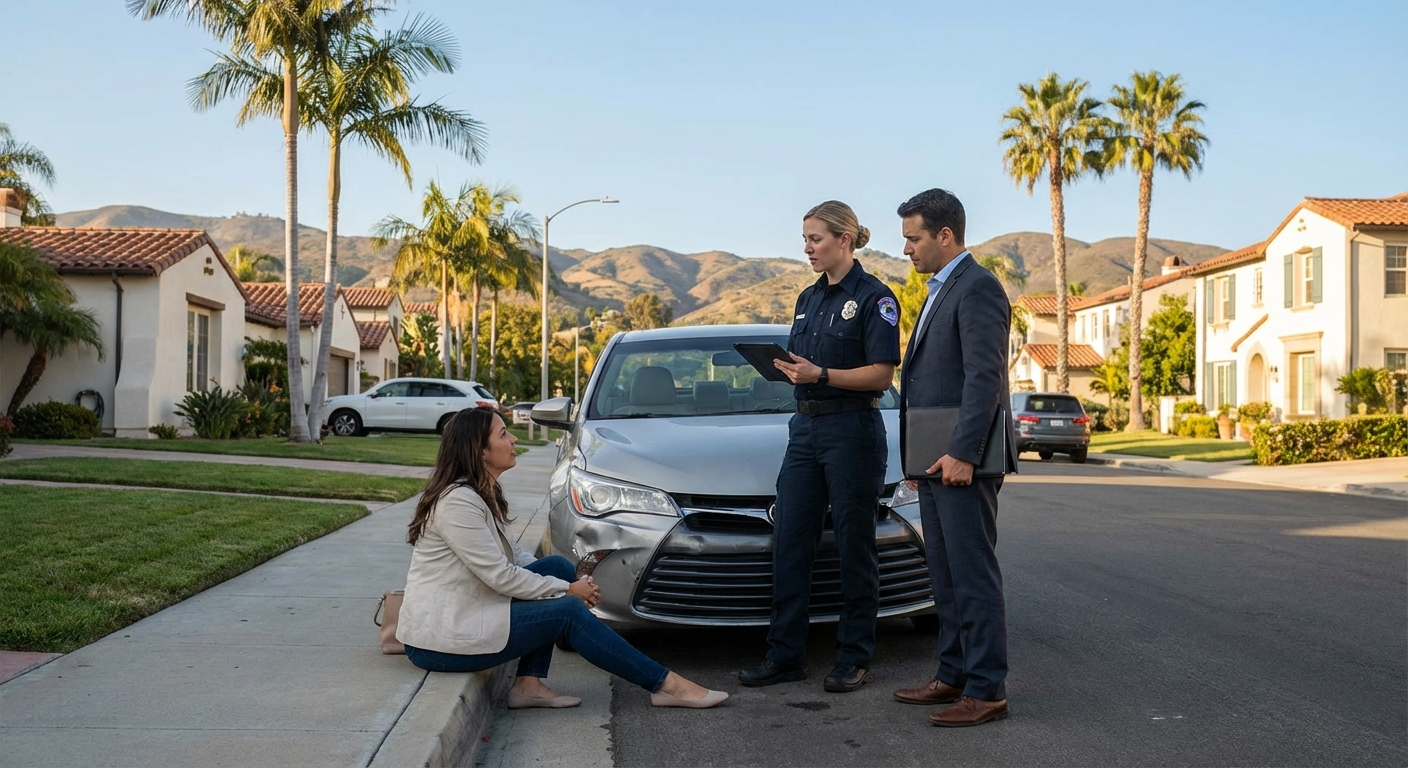
While MedPay handles your immediate medical bills regardless of fault, it’s not the whole story for personal injury protection in California. Remember, we’re an “at-fault” state. This means if another driver causes an accident and you’re injured, their liability insurance should pay.
But what if they don’t have enough insurance? Or worse, what if they have no insurance at all? This is a huge problem in California, particularly in areas like the Inland Empire or parts of the Valley, where uninsured driving rates can be higher. This is where Uninsured Motorist Bodily Injury (UMBI) and Underinsured Motorist (UIM) coverage becomes incredibly important.
UMBI pays for your medical bills, lost wages, and pain and suffering if an uninsured driver hits you. UIM kicks in when the at-fault driver has some insurance, but not enough to cover all your damages. It makes up the difference between their inadequate coverage and your actual losses, up to your UIM limits.
Think about it: Maria gets rear-ended by a driver talking on their phone. She needs physical therapy for her neck and misses a week of work. Her MedPay covers the initial ER visit. But her lost wages and ongoing therapy might quickly exceed her MedPay limit, and the other driver only carries the state minimum liability. That’s a classic UIM scenario. Without it, Maria would be fighting to get compensated for her losses, potentially out of her own pocket.
UMBI and UIM are often paired together on your policy, and they’re some of the best protections you can buy in California. They’re designed to protect *you* and your passengers when other drivers don’t carry adequate coverage. It’s insurance for when others aren’t insured.
The California “At-Fault” Reality and Your Protection
California’s “at-fault” system means that establishing who’s responsible for an accident is key to larger injury claims. This is where MedPay stands out. It’s a “no-fault” coverage within an “at-fault” system, providing immediate relief for medical costs regardless of who was to blame. This means you don’t have to wait for the insurance companies to point fingers while your medical bills pile up.
However, for significant injuries, lost income, or pain and suffering, the at-fault driver’s liability insurance is the primary target. If they don’t have enough, or any, that’s where your UM/UIM steps in.
Consider the reality on California roads. Distracted driving is rampant. Traffic is dense. Accidents happen every day. Medical costs have soared, especially in the last few years. A simple ER visit can easily cost thousands. An ambulance ride from, say, Santa Monica to a hospital downtown can be shockingly expensive. Having these layers of protection – MedPay for immediate costs and UM/UIM for the bigger picture when others are negligent – isn’t just smart, it’s essential.
Karl Susman, from Save on Car Insurance California, CA License #0B75129, has been helping California drivers navigate these complexities for years. He’s seen firsthand how quickly medical bills can spiral after even a seemingly minor accident. He often tells clients that these coverages aren’t just line items on a policy; they’re financial lifelines.
Finding the Right Coverage for Your California Life
Choosing the right auto insurance involves more than just finding the cheapest policy. It’s about building a safety net that genuinely protects you and your loved ones from the financial fallout of an accident. While California doesn’t have PIP, our version of personal injury protection – primarily through Medical Payments Coverage and Uninsured/Underinsured Motorist coverage – offers robust protection.
Don’t guess what you need. Insurance policies can be confusing, with different limits, deductibles, and exclusions. It’s always best to talk to an experienced professional who understands the specific risks and regulations of California auto insurance. Someone who can break down the jargon and explain exactly how each piece of your policy works to protect you.
Ready to explore your options and ensure you’re fully protected on California’s roads? Get a personalized quote and speak with an expert today: https://saveoncarinsurancecalifornia.com/get-a-quote/
Karl Susman and the team at Save on Car Insurance California are dedicated to helping Californians like Maria understand their choices and find the best coverage for their unique situations. You can reach them directly at (877) 411-5200.
Frequently Asked Questions About Personal Injury Coverage in California
Is Personal Injury Protection (PIP) available in California?
No, California is an “at-fault” state and does not offer traditional Personal Injury Protection (PIP) like “no-fault” states. Instead, drivers can purchase Medical Payments Coverage (MedPay) and Uninsured/Underinsured Motorist Bodily Injury (UMBI/UIMBI) coverage, which serve similar purposes for medical expenses and injury compensation.
What is Medical Payments Coverage (MedPay) and what does it cover?
MedPay is an optional coverage on your auto policy that pays for reasonable and necessary medical and funeral expenses for you and your passengers after an accident, regardless of who was at fault. This can include ambulance fees, hospital bills, doctor visits, X-rays, and even dental care. It often kicks in before your health insurance and can cover deductibles or copays.
Why do I need MedPay if I already have health insurance?
MedPay can fill gaps your health insurance might leave. It covers immediate costs without waiting for fault determination, can pay for your health insurance deductibles and copays, and covers medical expenses for passengers who might not have their own health coverage. It provides quick access to funds for medical care.
What is Uninsured/Underinsured Motorist Bodily Injury (UMBI/UIMBI) coverage?
UMBI/UIMBI protects you and your passengers if you’re injured by a driver who has no insurance (uninsured) or not enough insurance (underinsured) to cover your medical bills, lost wages, and pain and suffering. This coverage is especially important in California, where many drivers carry minimum or no insurance.
Should I choose higher limits for MedPay and UMBI/UIMBI?
Generally, yes. Given the high cost of medical care and the number of uninsured or underinsured drivers in California, higher limits for MedPay and UMBI/UIMBI offer much greater financial protection. It’s often a relatively inexpensive way to significantly increase your safety net after an accident.
Don’t leave your protection to chance. Get a quick, personalized quote and see how you can secure your peace of mind on California’s busy roads: https://saveoncarinsurancecalifornia.com/get-a-quote/
This article is for informational purposes only and does not constitute financial advice.