The Unplanned Detour to Nowhere
Picture this: The Garcia family, packed into their trusty minivan, windows down, singing along to the radio. They’re heading from their suburban Orange County home up to Yosemite National Park. Kids in the back are buzzing about giant sequoias. Mom’s got the snacks ready. Dad’s navigating the endless stretch of Highway 99, past fields that seem to go on forever.
Then, somewhere near Merced, a lurch. A groan from under the hood. The minivan sputters, then dies. Just like that. The digital clock on the dash blinks out. Silence. Except for the kids, who, naturally, start asking, “Are we there yet?”
Dad tries the key. Nothing. Mom checks her phone. One bar. Maybe. Out here, the sun beats down hard, and the shoulder of the highway feels miles wide and just as empty. Panic starts to set in. What do you do? Who do you call?
This isn’t some made-up Hollywood drama. This is a Tuesday afternoon for thousands of California drivers every year. From the winding roads of Ventura County to the bustling freeways of the Inland Empire, things go wrong. Tires blow, batteries die, keys get locked in the car. It happens.
But here’s where it gets interesting: For the Garcias, and for countless others, a small add-on to their car insurance policy—roadside assistance—can turn that sinking feeling into a solvable problem. It’s not just about a tow truck showing up. It’s about someone knowing what to do when you don’t. It’s about getting back on the road, often for less than you’d expect to pay out of pocket.
What Even *Is* Roadside Assistance Anyway?
Let’s strip away the jargon for a minute. Roadside assistance, at its core, is a safety net. It’s that helping hand when your car decides to quit on you, usually at the worst possible moment. Think of it as a basic survival kit for your vehicle.
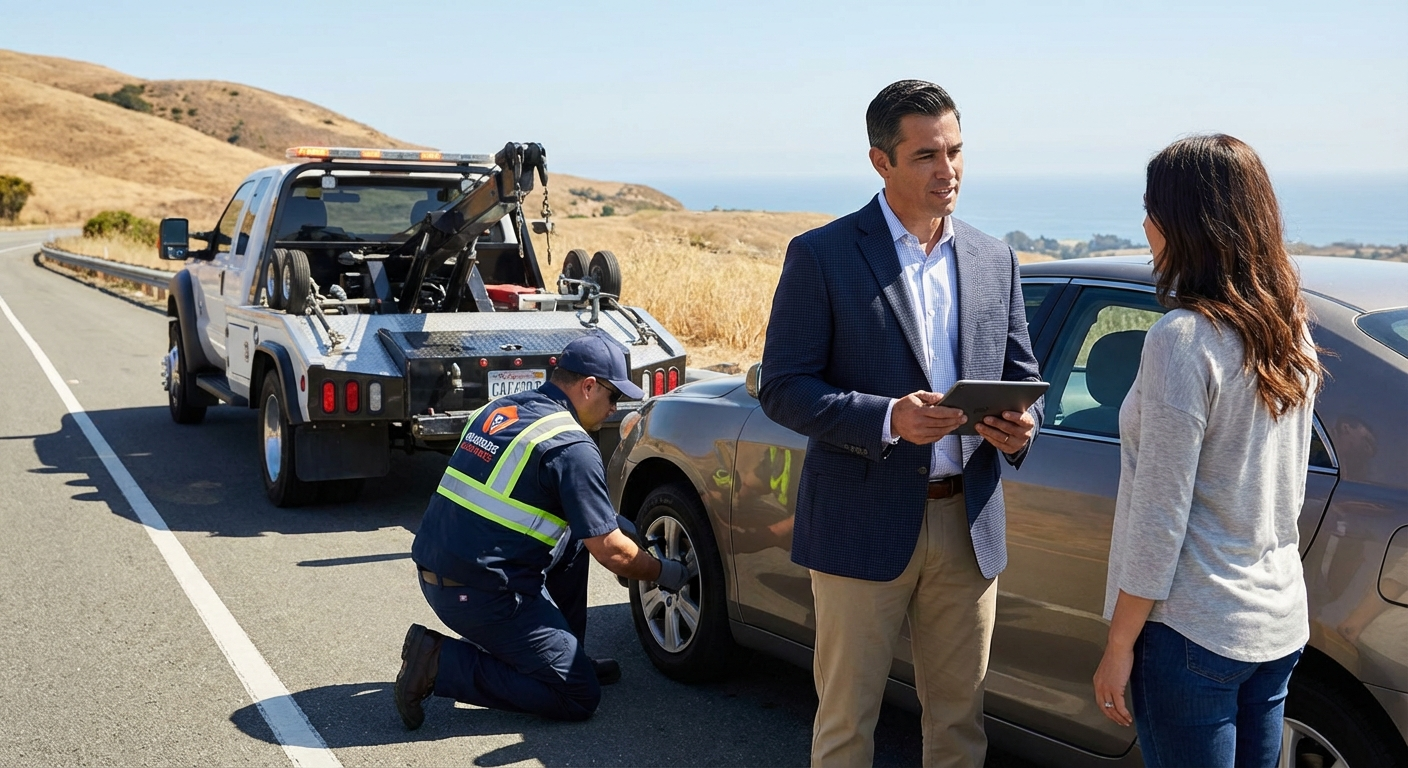
Most policies include a few standard services. Need a jump start because you left your headlights on at the beach? They’ve got you. Flat tire on a dusty road in the Valley? Someone can come change it. Ran out of gas trying to make it to the next exit on I-5? They’ll bring you enough fuel to get there. Locked your keys in the car while wrestling a toddler out of their car seat in a crowded grocery store parking lot? Yep, lockout service is usually part of the deal.
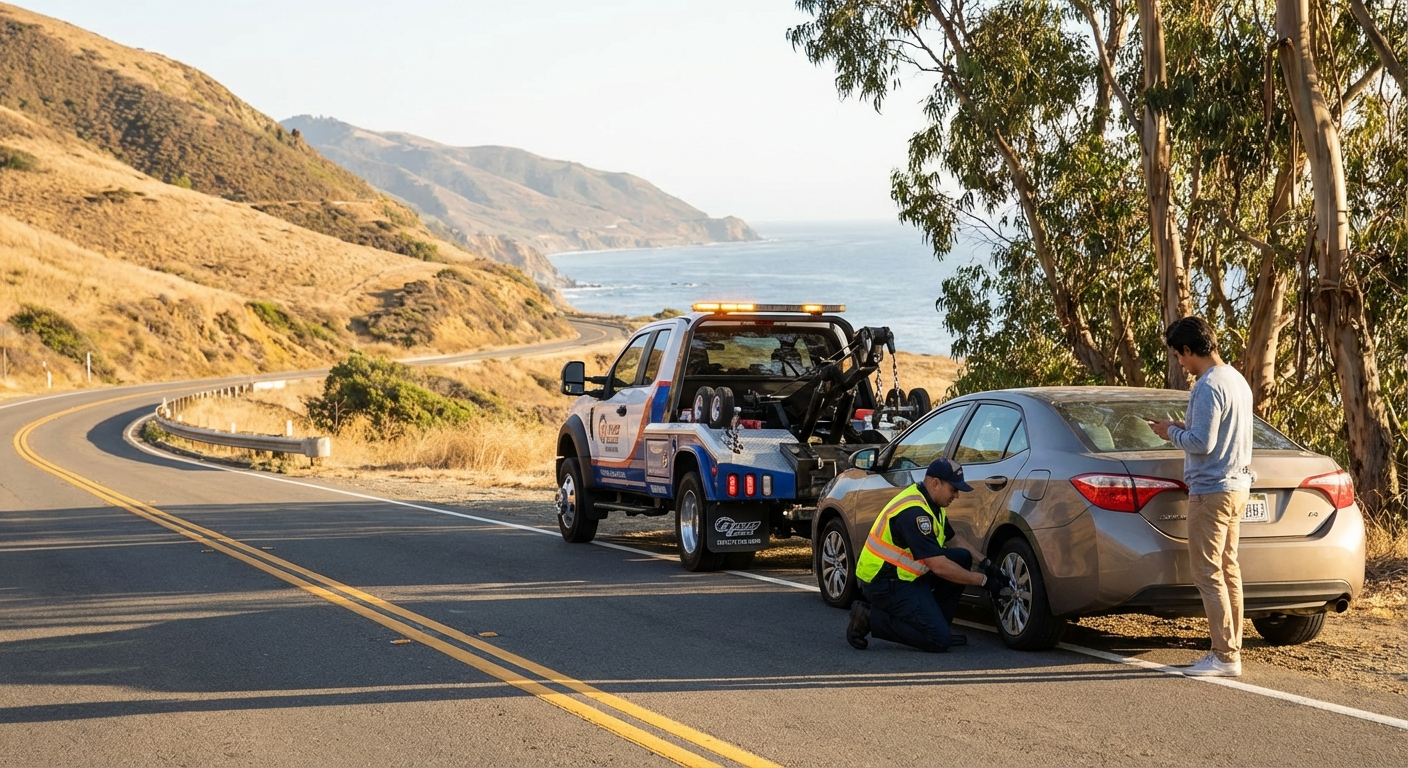
The big one, of course, is towing. If your car won’t start, or it’s unsafe to drive, they’ll tow it to the nearest qualified repair shop. That’s a huge relief, especially when you’re far from home, like the Garcias were.
Is it *Really* Worth the Extra Dime?
Honestly, this is where opinions often split. Some folks swear by it. Others say, “I’ve got AAA,” or “My credit card covers that.” The short answer is yes. The real answer is more complicated.
For many California drivers, especially those who travel frequently or have older cars, adding roadside assistance to their auto policy is a no-brainer. It often costs just a few dollars a month – sometimes less than a fancy coffee. Compare that to the $100-$200 (or more, if you’re way out there) a tow truck might charge you without it. Big difference.
But wait — what about those standalone clubs? AAA is fantastic, no doubt. They’ve been helping drivers for ages. However, membership fees for these clubs can be significantly higher than what you’d pay to add roadside assistance to your existing car insurance policy. And sometimes, you might already have some coverage through a premium credit card. It’s worth checking those benefits, but often, they come with caveats or reimbursement processes that aren’t as direct as just calling your insurer.
For most, the convenience and often lower cost of bundling it with their car insurance make it a pretty smart move. You’re already paying for the policy, so why not tack on that extra layer of protection?
California’s Roads: A Special Kind of Challenge
Driving in California is an experience all its own, isn’t it? We’ve got everything from endless desert highways stretching towards Arizona, like I-10 past Palm Springs, to winding mountain passes in the Sierra Nevadas, and the infamous, often gridlocked, freeways of Los Angeles and the Bay Area. Each presents its own set of potential problems.
Think about the summer heat in places like Bakersfield or the Coachella Valley. That kind of triple-digit heat is brutal on tires, batteries, and cooling systems. Or what about the sudden downpours that can turn a dry canyon road into a flash flood zone in minutes? And then there’s the sheer distance. Driving from San Diego to Sacramento is a serious trek. If your car breaks down halfway, you’re not exactly around the corner from your mechanic.
The state’s diverse geography means a breakdown here can be a truly isolated event. You might be an hour from the nearest gas station, let alone a repair shop. That’s why having a reliable backup plan isn’t just nice; for many, it’s essential for peace of mind.
The Cost Question: What Drives it in California?
Nobody likes to talk about insurance costs, especially not lately. Premiums have been on a pretty steep climb, some folks seeing 20-30% jumps between 2022 and 2024. But when it comes to the specific cost of roadside assistance as an add-on, it’s usually quite modest.
What drives the overall cost of your *car insurance* in California, though, is a whole different ballgame. Your driving record, your vehicle type (a new Tesla in Santa Monica versus an older Honda Civic in Redding), and even your specific ZIP code play a part. Living in a high-traffic area like downtown San Francisco or parts of LA often means higher premiums due to increased accident risk. Meanwhile, folks in more rural areas might see lower rates.
California also has Prop 103, which means insurers can’t just raise rates without state approval. Still, factors like inflation, the rising cost of car repairs (parts and labor aren’t getting cheaper), and the increasing severity of accidents all push those numbers up. Roadside assistance, however, often stays fairly stable because it’s a relatively low-cost service compared to, say, collision repair.
Getting Help When You Need It: How It Works
Back to the Garcias, stranded on Highway 99. Mom, remembering they had roadside assistance through their insurer, pulls up the company’s app on her phone. With that one shaky bar of service, she manages to tap a few buttons. The app uses their location to pinpoint them. A few minutes later, a text message confirms a tow truck is on its way, with an estimated arrival time of 45 minutes.
That’s usually how it goes. You call a dedicated number, or use an app. They’ll ask for your policy number, your location, and what’s wrong with your car. Simple. No need to hunt for local tow companies or haggle over prices. The service is already part of your policy.
Wait times can vary, of course. If you break down during rush hour on the 405, it might take a bit longer than if you’re stalled on a quiet road in Sonoma County. But the important thing is, help *is* coming. And for a family with two restless kids in a hot minivan, that knowledge is priceless.
A Quick Look at the Usual Suspects
Most roadside assistance policies cover the basics, but there can be limits. For instance, towing services often have a mileage limit – say, 10 or 15 miles. If the nearest qualified repair shop is further than that, you might pay the difference. Some policies limit the number of times you can use the service in a year, though it’s usually generous enough for most drivers (like 3-4 calls per year).
Fuel delivery typically provides enough gas to get you to the nearest station, not a full tank. And lockout services will usually cover the cost of a locksmith to get your doors open, but not if you need new keys made for a high-tech smart key system. It’s always smart to glance at your policy details so you know exactly what you’re getting.
Your Options: Insurance Company or Standalone Club?
Choosing where to get your roadside assistance really boils down to your personal driving habits and budget. For folks like the Garcias, adding it to their car insurance was the easiest and often cheapest route. It’s one less bill, one less membership card, and one less number to remember.
However, many people are fiercely loyal to standalone clubs like AAA, and for good reason. They often offer additional perks beyond roadside help, like travel discounts, DMV services, and extended towing limits. For a frequent traveler or someone with multiple vehicles, a club membership might make more sense. Then there are those credit card benefits we mentioned – some premium cards offer decent roadside coverage, but often with limitations or a reimbursement model that can be a hassle when you’re stranded.
Honestly, it’s worth comparing. Karl Susman at Save on Car Insurance California, CA License #OB75129, often tells clients, “Don’t just assume. Look at your current policy, check your credit card benefits, and then compare it to a standalone club. You might be surprised at what you’re already paying for, or what you could get for just a few extra bucks.”
What *Isn’t* Covered? Don’t Get Caught Off Guard.
While roadside assistance is great, it’s not a magic bullet for every car problem. For example, if your car is involved in an accident, the towing costs typically fall under your collision coverage, not roadside assistance. So, if you hit a deer on Highway 395, that tow isn’t usually a roadside assistance call.
Major mechanical repairs are also not covered. Roadside assistance gets your car to a shop; it doesn’t pay for the new engine or transmission. Also, if you’re repeatedly calling for the same issue – say, your battery keeps dying every week – your insurer might start asking questions, and eventually, they might not cover it. And almost universally, off-road recovery (if you drive your SUV off a trail in Big Bear and get stuck) is not part of standard roadside assistance. That’s a specialized service entirely.
Making the Smart Choice for Your California Drives
Ultimately, deciding on roadside assistance comes down to peace of mind. California is a big, beautiful state, and we love our road trips. But those open roads, mountain passes, and congested freeways also mean a higher chance of something going wrong with your vehicle.
Consider your daily commute. Do you spend hours on the 101 or the 5? How old is your car? Do you often take long weekend trips to Lake Tahoe or down to San Diego? If you answered yes to any of those, then a little extra protection could save you a lot of headache, stress, and money down the line.
Ready to get a clear picture of your options? Head over to Save on Car Insurance California and get a quote today: https://susmaninsurance.com/get-a-quote/
FAQs About California Car Insurance Roadside Assistance
Does using roadside assistance count as a claim on my insurance?
Generally, no. Most roadside assistance calls, like jump starts or tire changes, don’t count against your claims history. It’s usually considered a convenience service. However, if your car needs to be towed due to an accident, that would fall under your collision or comprehensive coverage and *could* affect your rates.
How far will my roadside assistance policy tow my car?
It varies by policy and insurer. Many standard policies offer towing for a certain number of miles (e.g., 10-15 miles) or up to a specific dollar amount (e.g., $100). If you need to be towed further, you’d typically pay the difference. It’s smart to check your specific policy details.
Can I use my roadside assistance if I’m a passenger in someone else’s car that breaks down?
Not always. Most roadside assistance policies are tied to the *insured vehicle*, or sometimes the *insured driver* regardless of the car they’re driving. If you’re a passenger, and it’s not your policy, the service usually can’t be used unless the driver also has the coverage, or your policy explicitly states it covers you in other vehicles. Check your policy language.
What if I run out of gas on a California freeway? Will they bring me fuel?
Yes, most roadside assistance plans include fuel delivery. They’ll bring you enough gas to get you to the nearest gas station. This service is a lifesaver, especially on those long, empty stretches of highway between towns in places like the Central Valley or the desert regions.
The Garcia family eventually made it to Yosemite, a day later than planned, but with a renewed appreciation for that small line item on their insurance policy. The kids still talk about the “broken car adventure” – a memory made less stressful, thanks to a simple phone call.
Curious about what peace of mind looks like for your next California adventure? Reach out to Karl Susman and his team at Save on Car Insurance California, CA License #OB75129, or visit them online to explore your options: https://susmaninsurance.com/get-a-quote/.
This article is for informational purposes only and does not constitute financial advice.