Feeling the Pinch in California? Your Mileage Might Be the Key
If you’re like most Californians, your auto insurance bill has probably been a source of frustration lately. It’s enough to make you throw your hands up, isn’t it? Premiums have climbed significantly over the last few years, sometimes 20-30% or more in a single renewal period for some drivers, especially here in the Golden State. Finding affordable coverage feels harder than ever, with some insurers even pulling back from the market or limiting new policies.
But here’s a thought: What if the solution to some of that financial pressure was right under your nose, tied to how often you actually drive? For many Californians, a low mileage discount offers a real glimmer of hope. It’s a way for insurance companies to reward you for something you might already be doing – driving less.
Why Less Driving Can Mean More Savings
It makes sense, doesn’t it? The less time your car spends on the road, the lower the chances of it being involved in an accident. Insurers are all about risk assessment. They look at a mountain of data: your driving record, where you live (hello, Ventura County or the bustling Inland Empire!), the type of car you drive, and yes, how many miles you log each year. When you’re consistently driving fewer miles than the average person, you present a lower risk profile. Less risk for them often translates to lower premiums for you.
Think about it. Someone commuting 50 miles each way every day on the 405 is statistically more likely to be in a fender bender than someone who works from home and only drives to the grocery store a few times a week. Insurance companies see that difference clearly. And in California, with our notorious traffic and the sheer number of vehicles on the road, anything that reduces your exposure to that daily grind can be a big deal for your policy.
Who Exactly Qualifies for a Low Mileage Discount in California?
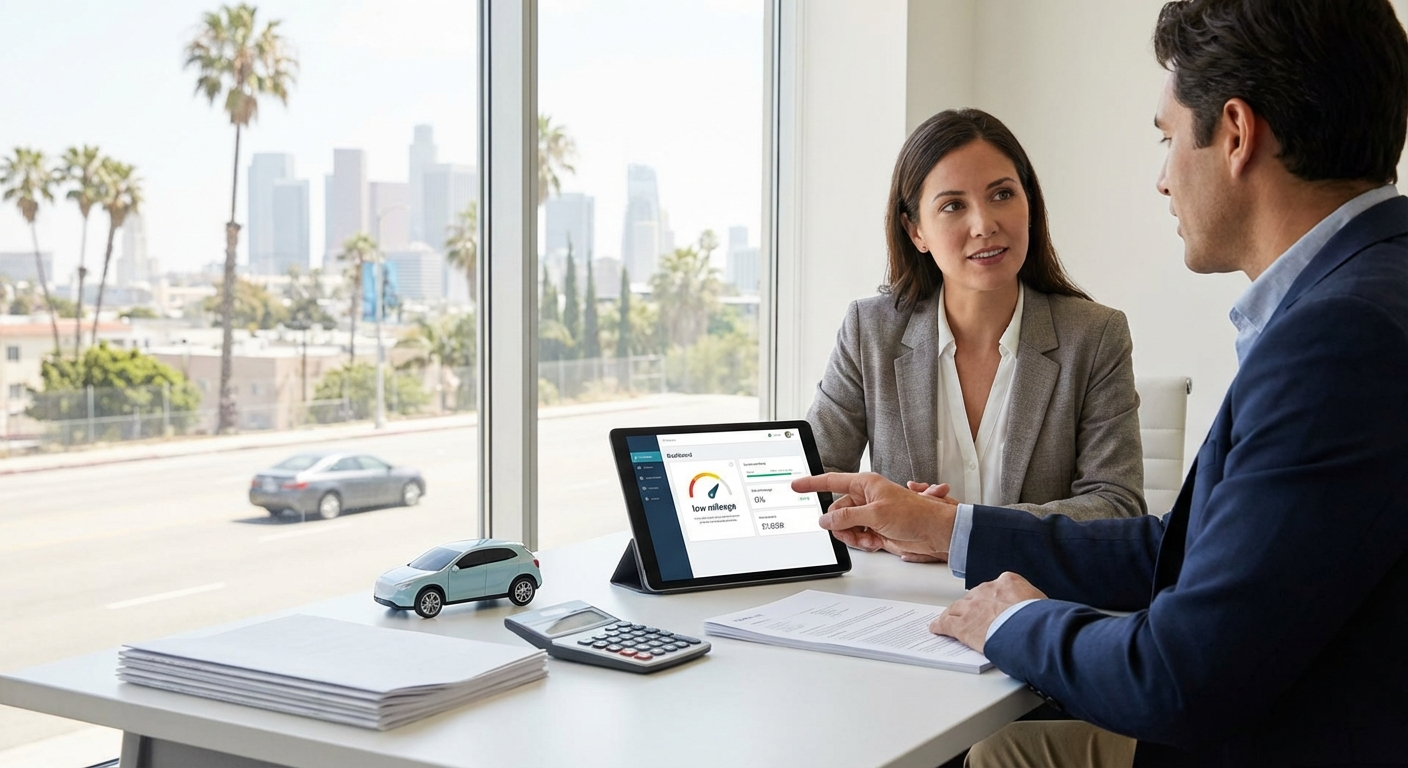
So, what does “low mileage” even mean in the eyes of an insurer? It’s not a universal number, which is where things get a little tricky. Generally, we’re talking about drivers who put fewer than 7,500 miles on their car each year. Some companies might consider “low mileage” to be under 10,000 miles, others might draw the line at 5,000. It really varies from one insurer to another – State Farm might have one threshold, AAA another, and Farmers yet another.
Who typically fits this bill? Plenty of people!
* **Remote Workers:** This group has grown dramatically since 2020. If your office is now your living room, your commute has likely shrunk to zero.
* **Retirees:** Many seniors find they don’t need to drive as much as they used to. Errands, doctor’s appointments, visiting grandkids – it adds up, but often not to high annual mileage.
* **Students:** Especially those living on campus or using public transport.
* **Second Car Owners:** That classic car for weekend cruises, or the old reliable sedan that only sees action when the main car is in the shop.
* **Public Transit Users:** If you’re lucky enough to live in a city with decent public transportation and you use it regularly.
It’s not just about how much you drive, of course. Where you drive, when you drive, and your actual driving habits all play a part in your overall risk. But for many, keeping those odometer numbers low is one of the most direct ways to signal lower risk to an insurer.
The Different Ways Insurers Track Your Miles
Okay, so you think you qualify. How do insurance companies actually verify your mileage? There are a few common methods, and some folks have strong opinions about each.
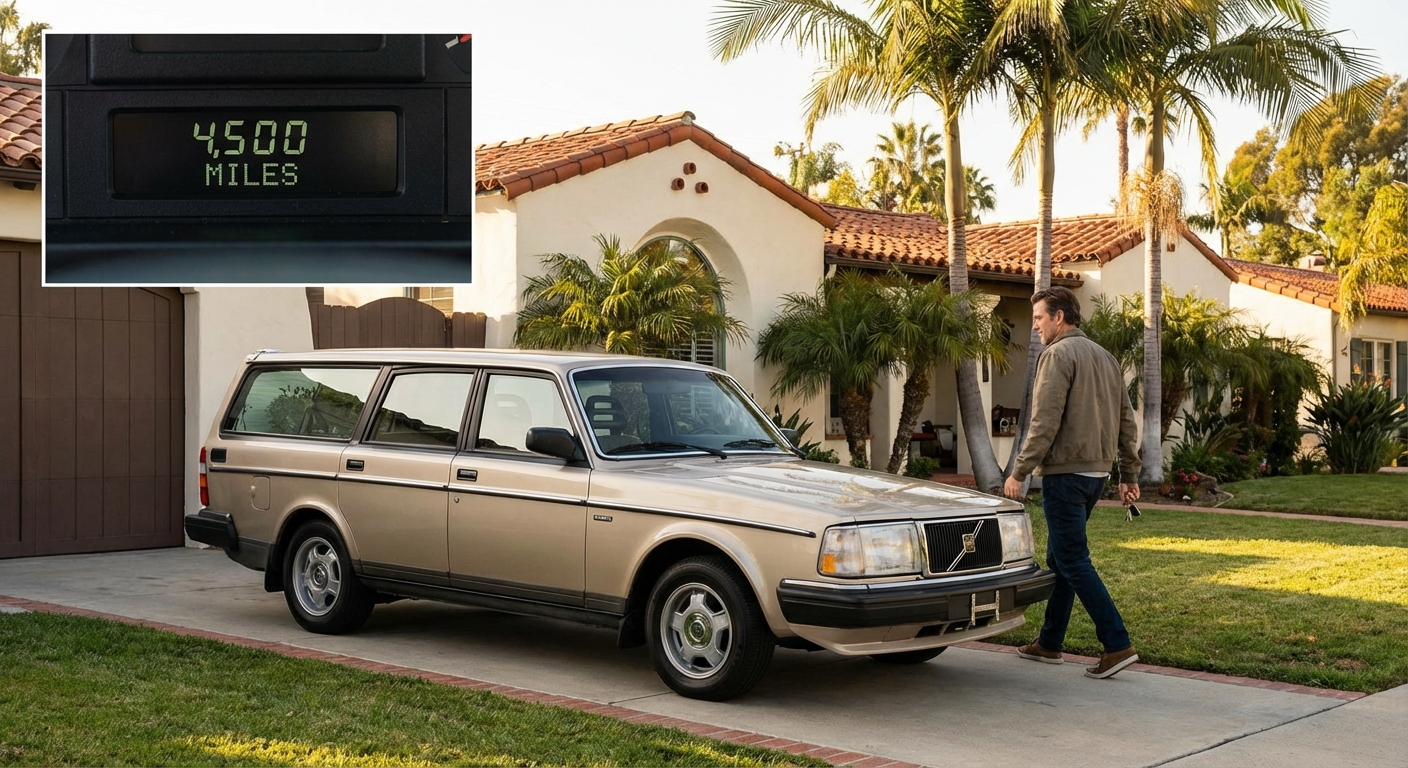
One common approach is **self-reporting**. You tell your insurer your estimated annual mileage. Sometimes they’ll ask for an odometer reading when you start a policy, and then again at renewal. They might even ask for a photo of your odometer. It’s a bit of an honor system, but they can always check if they suspect something’s off.
That’s not the whole story. Many insurers are now using **telematics**, often called usage-based insurance (UBI) programs. This involves a small device you plug into your car’s diagnostic port, or an app on your smartphone, that tracks your driving. It records miles driven, but often also looks at things like speed, braking habits, and even the time of day you drive. Some folks balk at the idea, worried about privacy. “Is Big Brother watching my commute?” they wonder. It’s a valid concern. Insurers will tell you the data is used solely for rating your policy, but it’s a personal choice whether you’re comfortable with that level of tracking. The upside? These programs can sometimes offer even bigger discounts, not just for low mileage but for safe driving habits overall. In California, with Prop 103 dictating how insurers can use rating factors, telematics offers a more granular way to assess individual risk.
Getting Your Low Mileage Discount: It’s Not Always a Straight Road
So, you’ve decided to pursue this discount. Good for you! But it’s not always as simple as checking a box.
First, **know your miles**. Start tracking. Take a photo of your odometer at the start of the year. Keep a log. This helps you give an accurate estimate, and it’s proof if your insurer asks.
Second, **ask your insurer directly**. Don’t assume they’ll just offer it. Some companies are better at proactively applying discounts than others. Pick up the phone or log into your online portal and inquire. Be ready to provide that mileage data.
Which brings up something most people miss. Not every insurance company offers the same low mileage discount, or even offers one at all. Some might only give a small percentage off, while others could offer substantial savings. This means you really need to **shop around**. If your current insurer isn’t giving you a break for your low mileage, another one might. That’s why working with an independent insurance agent is such a smart move. They work with multiple carriers and can compare options for you.
Honestly, in a tight market like California’s, with rates going up and fewer options, insurers aren’t always eager to hand out new discounts. You sometimes have to be proactive and advocate for yourself. But it’s absolutely worth the effort.
If you’re feeling overwhelmed trying to figure this out, Karl Susman and the team at Save on Car Insurance California are here to help. They’ve been helping Californians like you for years. Reach out for a personalized quote today: Get Your Free California Auto Insurance Quote
The California Context: Why This Discount Matters More Here
California is unique. We’ve got incredibly high gas prices, some of the most congested roads in the country (try driving through the Valley during rush hour!), and a significant portion of our workforce has embraced remote work. This creates a perfect storm where many drivers *are* driving less, but their insurance premiums might not reflect it.
The state’s insurance market itself has been turbulent. Rate hikes, approved by the California Department of Insurance (CDI), have become more common. Some insurers have paused new policies in high-risk areas, like those prone to wildfires. This instability means that any discount you can get, especially one based on a verifiable factor like mileage, is incredibly valuable. It’s one of the few ways drivers can proactively control their costs when so many other factors feel out of their hands. It helps balance out some of the other challenges, like the increasing cost of repairs or the sheer density of cars on our roads.
What If You Don’t Qualify? Other Ways to Save
Maybe you drive a bit too much to hit that “low mileage” threshold. Don’t despair! There are still other avenues to explore for saving money on your auto insurance.
* **Defensive Driving Courses:** Many insurers offer a discount if you complete an approved defensive driving course. It shows you’re committed to safe driving.
* **Good Driver Discounts:** If you’ve got a clean driving record, you should absolutely be getting a good driver discount. California’s Prop 103 mandates certain discounts for drivers with clean records.
* **Bundling Policies:** Do you have homeowners or renters insurance? Combining your auto policy with another policy from the same insurer can often lead to significant savings.
* **Higher Deductibles:** This is one to approach with caution. Raising your deductible means you’ll pay more out-of-pocket if you have a claim. But if you have a robust emergency fund, it can lower your monthly premium.
* **Vehicle Safety Features:** Cars with advanced safety features like anti-lock brakes, airbags, and anti-theft devices often qualify for discounts.
An experienced agent like Karl Susman can help you uncover all these potential discounts. They know the ins and outs of what different carriers offer and how to best position your unique situation for savings.
A Local Expert Can Make All the Difference
Navigating the complexities of California auto insurance can feel like a full-time job. With changing regulations, varying insurer appetites, and the constant pressure of rising costs, it’s easy to get lost. That’s where an independent insurance agent truly shines.
Karl Susman, with Save on Car Insurance California (CA License #OB75129), understands the California market inside and out. He’s not tied to just one insurance company. Instead, he works for *you*, comparing options from many different carriers to find the best fit for your needs and budget. Whether you’re in Ventura County, the Valley, or anywhere else in our vast state, he knows which insurers are competitive for low mileage drivers and how to present your case most effectively. He and his team are dedicated to finding those hidden savings you might miss on your own. You can reach him directly at (877) 411-5200.
Don’t let the complexities of California auto insurance keep you from finding savings. Take a few minutes to connect with an expert who can guide you. It’s time to see if you can drive down those premiums. Get your free personalized quote now: Find Your Low Mileage Discount
Frequently Asked Questions About Low Mileage Discounts
Q: How much can I really save with a low mileage discount?
The savings vary quite a bit depending on the insurer, how low your mileage is, and other factors on your policy. Some drivers report saving anywhere from 5% to 20% or even more. It’s not a guaranteed number, but it can make a noticeable difference, especially on an already high premium.
Q: Does every insurance company offer this discount?
Not always. While many major carriers do offer some form of low mileage discount, the specifics differ. Some might have stricter mileage thresholds, others might only offer it through a telematics program, and a few might not offer it at all. That’s why shopping around is so important.
Q: What if my mileage changes during the year?
If your driving habits change significantly – say, you get a new job with a longer commute, or you switch to working remotely – you should inform your insurance company. If you start driving more, you might lose the discount. If you start driving less, you might become eligible for a new discount or a larger one. Being upfront keeps your policy accurate and avoids potential issues later.
Q: Are there any downsides to telematics programs?
The main concern for many people is privacy – the idea of an insurer tracking their driving data. While the data is typically used for rating purposes, it’s a personal decision if you’re comfortable with that. Another potential downside is that if your driving habits are deemed “risky” (e.g., frequent hard braking, late-night driving), your premium might actually go up, not down. It’s important to understand the terms of any telematics program before you opt in.
This article is for informational purposes only and does not constitute financial advice.